From Bedroom to Billboard: Why Independent Artists Are Leaving Major Labels in the Dust
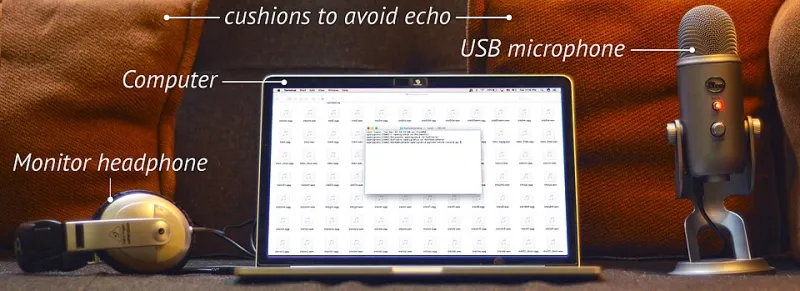
Photo: Subhashish Panigrahi, CC BY-SA 4.0, via Wikimedia Commons
There's a quiet revolution happening in American music, and it's not going down in some glossy studio in Midtown Manhattan or on the Sunset Strip. It's happening in converted closets in Tulsa, spare bedrooms in Columbus, and basement setups in Detroit. Armed with a laptop, a decent audio interface, and a pair of studio headphones, a new generation of independent artists is making music that sounds just as polished — sometimes more alive — than anything a major label is pushing out.
The gatekeepers are losing their grip. And honestly? It's about time.
The Gear Gap Closed Faster Than Anyone Expected
A decade ago, recording a professional-sounding album meant booking time at a real studio, racking up bills that could easily hit five figures, and handing over creative control to a producer you barely knew. The barrier to entry was intentionally high. Labels liked it that way.
Then something shifted. Digital audio workstations like GarageBand, Logic Pro, and Ableton Live became either free or genuinely affordable. Audio interfaces that used to cost thousands dropped to under $200. Condenser microphones that would've been out of reach for most musicians are now sitting on Amazon for less than a night out in any major city.
The result? The playing field didn't just level — it tilted toward the independent artist.
"I recorded my first EP in my apartment in Chicago with a $150 mic and a free DAW," says Marcus Webb, an indie pop producer and artist who's racked up over 2 million streams without ever signing to a label. "People kept asking me what studio I used. I told them it was my closet with moving blankets on the walls. They didn't believe me."
That kind of story isn't a fluke anymore. It's becoming the norm.
The Sound of Independence
There's a certain rawness to DIY recordings that listeners are responding to in a big way. It's not always about technical perfection — it's about authenticity. When an artist records in their own space, on their own timeline, without a label rep looking over their shoulder, something different comes through in the music. You can hear it.
Producers like Clairo, Billie Eilish (whose early work was recorded in her brother Finneas's bedroom), and Alex G built entire careers on bedroom recordings that felt intimate in a way big-budget productions sometimes don't. These weren't compromises. They were choices. And audiences connected with them deeply.
For indie and alternative artists especially, that connection is everything. Fans of the genre have always had a nose for what's genuine and what's manufactured. A bedroom recording that hits emotionally will always outperform a sterile, over-produced track that sounds like it was built by committee.
What DIY Producers Are Actually Doing Differently
It's not just about having cheap gear. The artists thriving in this space are thinking about music production in a fundamentally different way than the traditional label model allows.
First, they're moving fast. Without label approval processes, A&R meetings, or release schedule negotiations, an independent producer can write a song on Monday and have it on Spotify by Friday. That kind of speed matters in a social media landscape where trends move fast and audience attention is fleeting.
Second, they're building direct relationships with their listeners. Platforms like Bandcamp, Patreon, and even TikTok have become distribution pipelines that cut out the middleman entirely. When a fan buys a track directly from an artist on Bandcamp, the money goes almost straight to the creator. That's a radically different economic model than the royalty structures labels have historically offered.
"I make more money off 50,000 streams on Bandcamp than I do off 2 million streams on a major platform," says Jordan Reyes, a bedroom producer from Austin who's been releasing music independently for four years. "The math just works differently when you own your masters and control your distribution."
Third — and this one's big — they're keeping their masters. Ownership of recordings is the single most valuable asset in music. Labels have historically held onto masters as leverage, leaving artists with far less control and income than their work deserves. Independent artists who record and release on their own terms keep that ownership from day one.
The Challenges Are Real, Too
Let's not sugarcoat it. Going the DIY route isn't without its headaches. Learning to mix and master your own music takes years of practice. Marketing without a label's promotional machine behind you means wearing about fifteen hats at once — songwriter, producer, social media manager, publicist, and accountant, all rolled into one person.
Burnout is a genuine risk. So is the temptation to release music before it's ready just to keep up with the pace of content creation. And without a label's advance, funding recording projects, music videos, and touring often comes out of an artist's own pocket.
But for a growing number of artists, those trade-offs are worth it. The creative freedom, financial transparency, and direct fan connection that come with independence are proving more valuable than the resources a label deal might bring.
What This Means for the Future of Music
Major labels aren't going anywhere. They still have enormous marketing budgets, radio connections, and the infrastructure to break an artist on a global scale in a way that's hard to replicate independently. But their monopoly on quality? That's gone.
The music industry is fracturing into something more democratic, more diverse, and frankly more interesting. Artists from communities that were historically underrepresented in mainstream music are now releasing work on their own terms, finding audiences that labels might never have believed existed for them.
For indie and alternative music fans — the kind of people who've always valued discovering something real over being told what to like — this is genuinely exciting territory. The bedroom studio revolution isn't just a trend. It's a structural shift in how music gets made, distributed, and heard.
And if the artists leading that charge keep doing what they're doing, the majors are going to have a very hard time catching up.