Nobody Warns You About This: The Unglamorous Truth of Life on the Road
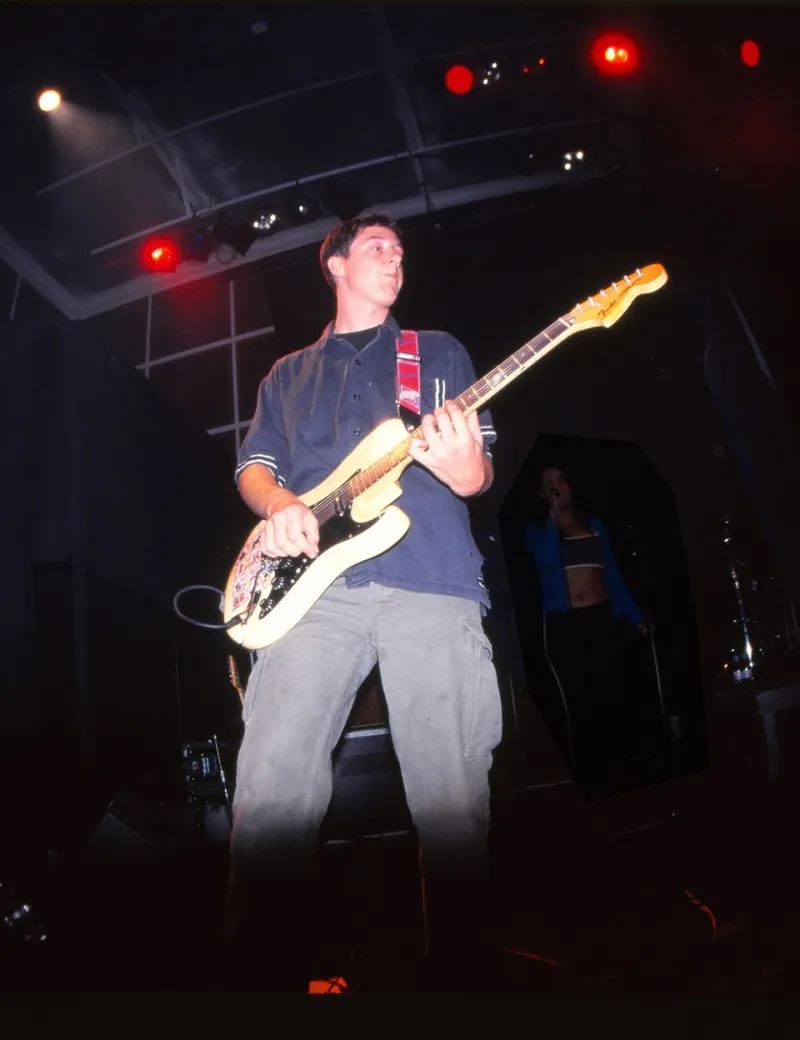
Photo: Stevnn70Zeld, CC BY-SA 4.0, via Wikimedia Commons
Let me paint you a picture. It's 2:30 in the morning somewhere on I-70 in Kansas. The van smells like fast food wrappers and wet gear. You've got four people crammed into a space designed for weekend camping trips, and the check engine light has been on since Missouri. The show tonight was good — maybe 80 people, enough energy to remind you why you do this — but after the venue cut, the merch split, and gas, you're looking at about $40 per person for the day.
Somebody back home saw your stage photo and commented, "Living the dream!"
That gap — between what touring looks like from the outside and what it actually feels like from inside that van — is something independent bands almost never talk about publicly. This piece is about closing that gap. No highlight reel. Just the real thing.
The Money Math Nobody Does Before Their First Tour
Here's a conversation that needs to happen more in the indie music world: the actual financial math of touring as an independent band.
Van rental or maintenance, gas, lodging, food, gear insurance, tolls — the baseline costs of being on the road add up fast. A modest two-week regional tour can easily run a band $3,000 to $5,000 in expenses before a single ticket is sold. For a band without label backing or a booking agent with real leverage, guarantees at small venues are often modest at best. You're frequently playing for a door deal — meaning you get a cut of ticket sales — which introduces a level of financial uncertainty that makes budgeting feel like guesswork.
Add in the income you're not making at your day job while you're out there, and the picture gets even more complicated. A lot of independent musicians are burning through savings or going into debt to fund tours they genuinely believe in. That's not a failure of ambition — it's just the economic reality of the independent music model in 2024.
The practical advice here is unglamorous but necessary: build a detailed budget before you leave, pad it by at least 20% for the unexpected, and treat merch as a genuine revenue stream rather than an afterthought. A well-stocked merch table — vinyl, tees, signed stuff — can be the difference between breaking even and eating ramen for a week after you get home.
The Van Will Break Down. Plan For It.
This isn't pessimism. It's statistics. If you tour long enough, in a vehicle loaded down with gear and driven thousands of miles on an aggressive schedule, something mechanical is going to go wrong. Tires blow. Alternators fail. Transmissions have opinions.
We've had a wheel bearing go out outside of Albuquerque on a Sunday morning. We've had a trailer hitch snap in a Walmart parking lot in rural Tennessee. Neither situation was covered by the roadside assistance plan we thought we had.
Have an emergency fund specifically for vehicle issues — separate from your general tour budget. Know the basics of your vehicle. Have roadside coverage that actually works in rural areas. And build some flexibility into your routing so that a four-hour mechanical delay doesn't mean missing a show entirely.
Also: get your van serviced before you leave. Every time. No exceptions.
Mental Health on the Road Is a Real Conversation
This is the one nobody wants to have, and it might be the most important.
Touring can be genuinely destabilizing, even when it's going well. The combination of disrupted sleep, irregular eating, constant overstimulation from shows and travel, and weeks away from your support network creates conditions that are hard on anyone's mental health. For artists who already navigate anxiety, depression, or other challenges, the road can amplify all of it.
The performance highs are real. So are the crashes after them. There's a specific kind of loneliness that comes from playing a great show, feeling fully alive for 45 minutes, and then sitting in a parking lot at midnight with nowhere to be and no one to decompress with who isn't also exhausted and emotionally spent.
Check in with each other. Seriously. Not just the logistical "what time do we load in" check-ins, but actual human conversations about how everyone's doing. Build in rest days when the budget allows. Find a therapist who does remote sessions if you're someone who benefits from that support — plenty of musicians are figuring out how to maintain that continuity while traveling.
The grind culture around touring — the idea that complaining about any of it makes you ungrateful or soft — is worth pushing back on. You can love what you're doing and also acknowledge that it's hard. Both things are true.
The Relationships That Take the Hit
People who aren't musicians sometimes struggle to understand why you'd choose to be gone for weeks at a time, sleeping in strangers' houses and missing birthdays and anniversaries and just ordinary Tuesday nights on the couch.
The honest answer is that it's a choice, and it costs something real. Romantic partners carry a disproportionate weight when their person is on the road. Friendships drift when you're consistently unavailable. Family members who don't live in the music world can start to feel like they're competing with it for your attention.
There's no clean solution to this. Communication matters — being present when you're present, staying connected when you're not, being honest about the demands of the schedule. But some relationships don't survive touring, and pretending otherwise doesn't help anyone.
If you have people in your life who make it work, who show up at your shows and answer the phone at weird hours and understand why this matters to you — hold onto them. They're rare.
Why We Keep Doing It Anyway
Here's the thing. All of the above is true, and none of it is enough to make us stop.
Because there are also nights where everything clicks — where the room is packed and loud and the set feels like it's playing itself, and you look over at your bandmates and everyone's grinning like idiots because something real is happening. There are the fans who drive two hours to see you play a 200-cap venue and tell you afterward that a specific song got them through something hard. There are the long drives through landscapes you'd never see otherwise, the weird diners, the random friendships with other touring bands, the feeling of building something from nothing.
That's the part that makes the broken-down van and the $40 day worth it.
But let's stop pretending the hard stuff isn't there. Because the next band loading into their first real tour deserves to know what they're actually signing up for — not the filtered version, but the full picture. The raw sound and the real story.
That's always been the only version worth telling.