Come Back With Something to Say: What Separates a Real Band Reunion From a Nostalgia Cash Grab
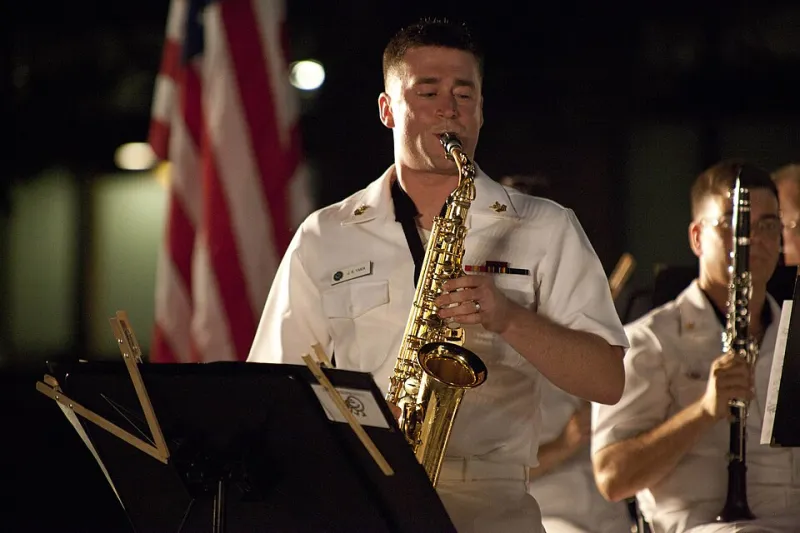
Photo: United States Navy Band from Washington, D.C., USA, Public domain, via Wikimedia Commons
There's a moment every music fan knows. You see the announcement — the cryptic social post, the blurry old band photo, the vague caption that just says a year and a city. Your stomach does something complicated. Part excitement, part suspicion, part hope you're not about to watch something you loved get quietly dismantled in front of a half-sold arena.
Band reunions are everywhere right now. And honestly? Most of them are fine. A few of them are genuinely electric. But some of them are exactly what the cynics always said they were — a business decision dressed up in nostalgia, a greatest-hits victory lap that leaves everyone feeling a little hollow by the encore.
So what actually makes the difference?
The Question Fans Are Really Asking
When a band announces they're coming back, the first thing fans want to know isn't when or where. It's why. And they can smell a non-answer from a mile away.
A genuine return usually comes with a story — tension that finally resolved, creative energy that had nowhere else to go, something that needed to be said and couldn't be said alone. The bands that nail the comeback almost always lead with that story. They don't just announce a tour. They explain what changed. They're honest about what broke, and honest about what put it back together.
Contrast that with the reunion that drops a press release full of corporate-speak about "giving fans what they've been asking for" and "the time finally being right." Those phrases mean nothing. They're placeholders for an actual reason. And fans — especially indie fans who've been paying close attention — notice the absence.
When It Works: The Bands That Got It Right
Look at what Pixies did when they brought Kim Deal back into the fold after years of documented friction. Or how My Chemical Romance turned their 2019 return into something that felt less like a reunion and more like a reckoning — they came back with urgency, not just volume. The Danger Days anniversary shows weren't just nostalgia bait. They felt like a band that had unfinished business with its own mythology.
Closer to the indie world, bands like Pavement and Sleater-Kinney have both navigated returns with a level of self-awareness that kept the cynics quiet. They acknowledged the gap. They didn't pretend the hiatus hadn't happened. And in Sleater-Kinney's case, they kept making new music — music that argued for their continued relevance rather than just coasting on what came before.
The pattern in all of these: the band treated the return as a beginning, not a finale.
When It Doesn't: The Warning Signs
Here's where it gets uncomfortable. Because plenty of reunions — including some from bands people genuinely love — have stumbled in ways that are hard to watch.
The clearest red flag is when the lineup doesn't actually reunite. When a band comes back missing the member who wrote half the songs, or the rhythm section that defined the sound, and still calls it a reunion — that's a problem. It's not dishonest exactly, but it's not the full truth either. Fans who care about the craft notice. They're not going to pretend a band with two original members and three hired guns is the same thing they fell in love with.
Another warning sign: zero new material. A band that returns, plays the catalog, and then disappears again without adding anything to the conversation is essentially saying they don't trust themselves anymore. That the old stuff is the only stuff worth defending. Which might be true — but it makes the whole thing feel more like a museum exhibit than a living, breathing creative act.
And then there's the price point. Look, everybody needs to eat. Touring costs money. But when a band that built its identity on accessibility comes back with $300 floor tickets and a VIP package that costs more than a rent payment, something has shifted. The economics of live music are brutal right now, and there's no easy answer — but the bands that handle it best are usually the ones who at least acknowledge the tension out loud.
What Fans Actually Want (And It's Not What You Think)
Here's the thing about indie music fans specifically: they don't need the reunion to be perfect. They don't need the band to be exactly what they were in 2009. What they need is honesty.
They want to know you're back because you needed to be back. Because something in the music demanded it. Because the songs meant something that couldn't be expressed any other way. That's the bar. It's not that high, but a lot of bands trip over it anyway.
The fans who stayed through the hiatus — who kept the records spinning, who wore the shirts to shows by other bands, who argued about your deep cuts in comment sections for years — they're not asking for perfection. They're asking for proof that the thing they believed in still exists somewhere.
Give them that, and they'll follow you anywhere.
The Reunion as Artistic Statement
The best comebacks in indie music history share one quality: they reframed the narrative. They didn't just pick up where things left off. They acknowledged the silence, honored what had changed, and used the return as a way to say something new about the old material.
That's a harder thing to do than it sounds. It requires the band to actually reckon with why they stopped, which is often uncomfortable territory. Ego. Burnout. Money. Creative differences that turned personal. Grief. The kind of exhaustion that doesn't show up in any interview.
But the bands willing to sit with that discomfort — willing to be honest about it, even obliquely, even just through the music itself — tend to be the ones whose returns actually mean something.
So, Is Yours Worth It?
If you're in a band thinking about a return, here's the only question that matters: do you have something to add? Not just to your catalog, but to the conversation. Not just to your bank account, but to the relationship you have with the people who showed up for you before.
If the answer is yes — if there's a reason that goes beyond the obvious financial one, if there's music that needs to exist, if there's something unresolved that only this specific group of people can resolve — then come back. Come back loud. Come back honest.
If the answer is "we figured the demand was still there," maybe give it another year.
The best reunion nobody asked for is the one that makes you feel, about twenty minutes in, like you'd been waiting for it your whole life without knowing it. That's the bar. It's worth aiming for.