Spoil It on Purpose: How Sharing Your Setlist Before the Show Can Actually Sell More Tickets
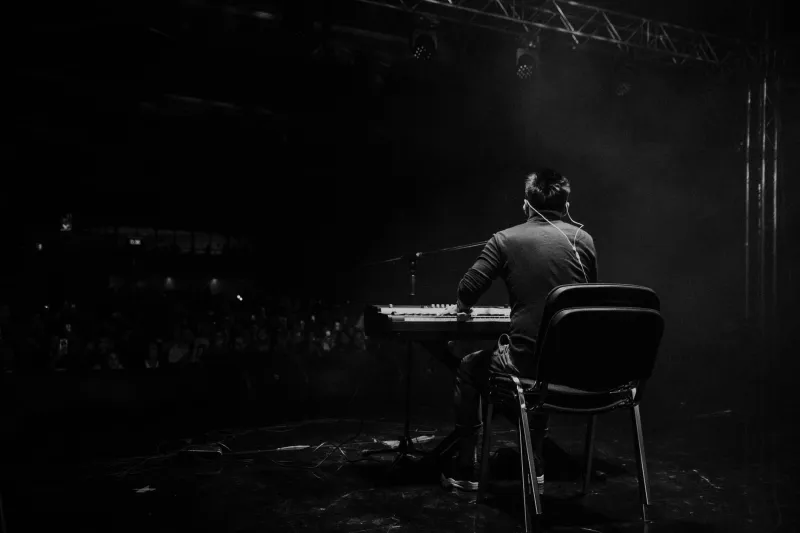
There's an old-school instinct in live music that says the setlist is sacred. You protect it. You fold it up, tape it to the stage floor, and pray nobody from the opening act posts a photo. The surprise is the point, right?
Maybe not anymore.
Across the indie and alternative world, a quiet shift is happening. Artists are deliberately leaking — or outright publishing — their setlists days before a show. And instead of killing the excitement, it's doing the opposite. Ticket inquiries spike. Fan forums light up. People who were on the fence about making the drive suddenly can't buy a ticket fast enough.
So what's actually going on here?
The Psychology of "I Already Know, and I'm Still Going"
Here's the thing about surprise: it's overrated as a sales tool. Anticipation, on the other hand, is a machine.
When a fan sees that a band is playing a deep cut they've been waiting three years to hear live, something clicks. It's not just interest — it's urgency. They're no longer deciding if they want to go. They're figuring out how to get there.
Sports fans understand this instinctively. You already know the teams playing in the Super Bowl weeks before kickoff, and that knowledge doesn't make you less likely to watch. It makes you more invested. You have time to care, to talk about it, to build a story around it in your head before it even happens.
Setlists work the same way. When fans know what's coming, they don't lose interest — they rehearse. They pull up the recordings, they memorize the lyrics, they start texting their friends. The show becomes an event they're actively preparing for rather than passively attending.
The Leak That Wasn't Really a Leak
Some of the most effective setlist "reveals" in recent indie history weren't accidental at all. They were engineered.
Bands have gotten savvy about using platforms like Setlist.fm, Reddit threads, and even their own Discord servers to seed information early. A photo of a handwritten track list shared in a fan community three days before a show? That's not carelessness — that's a content strategy.
One approach that's been gaining traction is the "partial reveal" — dropping the first five songs of the set and leaving the rest blank. It gives fans enough to get excited while preserving some genuine mystery. You're feeding the hunger without clearing the whole plate.
Other artists have gone further, posting full setlists with a single line like "This is what we're planning — no promises." That caveat does double duty: it builds anticipation while also giving the band creative flexibility to deviate on the night. Fans love the idea of being in on the plan. They love it even more when the plan changes and they get to witness something spontaneous.
What Indie Bands Are Actually Saying About This
Talk to artists who've experimented with pre-show setlist sharing and you'll hear a consistent theme: the conversation it starts is worth more than any mystery you're giving up.
"We started posting our setlists to our mailing list 48 hours before each show, and the reply-rate on those emails went through the roof," said one indie act based out of Nashville who asked to stay anonymous. "People were writing back saying things like, 'Oh my god, you're playing that one? I haven't heard that live since 2019.' That kind of engagement — you can't manufacture it."
Another band, a four-piece out of Portland, started sharing setlists on their Instagram Stories the morning of each show. "We thought it might make people feel like they didn't need to come," the guitarist told us. "But the opposite happened. People started sharing our Stories with captions like, 'I need to be there tonight.' It became this rallying point."
The pattern holds: transparency breeds investment. When fans feel like insiders, they behave like insiders — and insiders show up.
The Streaming Era Made This Possible
It's worth noting that this strategy wouldn't have worked the same way ten years ago. In a pre-streaming world, a setlist preview was only useful to fans who already owned the records and knew every track. For anyone else, a list of song titles was just... a list.
Now, a fan can see a setlist preview, click over to Spotify or Apple Music within thirty seconds, and spend the next two days getting emotionally attached to songs they'd never heard before. By the time they walk into the venue, those songs already feel personal. That's a completely different concert experience — and it starts before anyone's even left the house.
This is the part of the streaming era that doesn't get talked about enough. Yes, it's complicated the revenue side of things. But it's also created a pathway for discovery that feeds directly back into live music. A setlist leak is now a listening session invitation. The two things are linked in a way they never used to be.
Where the Balance Gets Tricky
None of this means you should just post your setlist on Twitter every single night and call it a strategy. There are real trade-offs.
For one, routine kills novelty. If fans know exactly what to expect at every show on a tour, the incentive to catch multiple dates — one of the most reliable revenue streams for touring indie acts — starts to erode. The magic of "every show is different" is something worth protecting, even if you're playing with transparency in other ways.
There's also the question of what a setlist reveal actually reveals about your catalog. If you're leaning heavily on the same ten songs every night, publishing the list might highlight that problem rather than solve it. The strategy works best when the set itself is strong enough to make fans feel like they're getting something special.
And then there's the authenticity angle. Fans are sharp. If a "leak" feels too polished, too perfectly timed, it can backfire — coming across as a PR stunt rather than genuine access. The best setlist previews feel casual, almost accidental, even when they're not. That's a tone worth practicing.
The Takeaway
The instinct to protect the setlist comes from a good place. There's real magic in a crowd not knowing what's coming next. But magic isn't the only ingredient in a sold-out show — connection is.
When fans feel like they're part of the story before the curtain even goes up, they arrive differently. They're louder, more present, more likely to post about it and drag their friends to the next date. They've already invested emotionally, and that investment shows up in the room.
Giving something away doesn't always mean losing something. Sometimes it means starting the show early — before anyone's even bought a ticket.