Buried Treasure: Why Album Deep Cuts Are the Secret Weapon of Indie Fandom
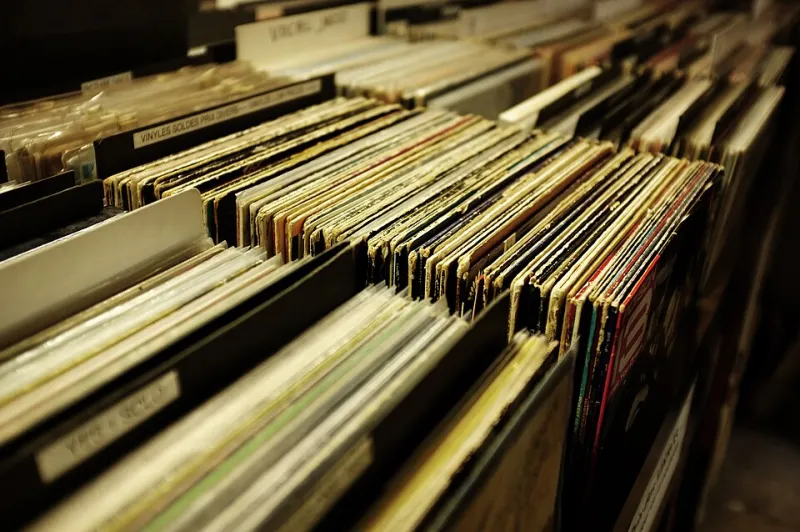
Photo: Mr Cup / Fabien Barral iammrcup, CC0, via Wikimedia Commons
Spotify's Discover Weekly doesn't care about track nine. Neither does TikTok's sound library, and Apple Music's editorial playlists sure aren't hunting for the slow-burn instrumental you buried at the end of side two. In the streaming era, the algorithm rewards the obvious — the lead single, the hook-heavy opener, the song that grabs someone in the first eight seconds or gets skipped forever.
But something interesting is happening in indie music communities across the US. The tracks that never got the push, the alternate versions that almost didn't make the cut, the B-sides pressed on limited seven-inches at a merch table in Omaha — those are the songs building the most devoted fanbases. And the artists paying attention are starting to use that knowledge intentionally.
The Algorithm Gives You Fans. Deep Cuts Give You Believers.
There's a difference between someone who streams your single because it popped up in a playlist and someone who's listened to the hidden track at the end of your second album seventeen times and written a Reddit thread about what they think it means. Both are valuable. But only one of them is going to drive six hours to see you play a 200-cap venue on a Tuesday night.
That distinction isn't lost on indie artists who've been quietly treating their catalog like a layered conversation with their audience rather than a series of marketing moments.
"The single is the handshake," says one indie folk artist based out of Nashville who asked to be identified only by their stage name, River Hollow. "But the deep cuts are where you actually find out if someone wants to stick around. Those are the songs where I'm not trying to grab anybody. I'm just talking. And the people who find those tracks and connect with them — those are my people."
That philosophy is increasingly common among independent musicians who've grown skeptical of chasing streaming numbers as a primary measure of connection.
Scarcity Is Back, and It Feels Good
One of the more surprising developments in indie music strategy over the last few years is the deliberate use of limited releases to create genuine discovery moments. Vinyl-only B-sides. Bandcamp exclusives. Alternate acoustic versions dropped quietly without any social media fanfare. Tracks released only to email subscribers.
In an era of infinite content, scarcity hits different.
A DIY rock duo out of Chicago, who release music under the name Static Lemon, have made limited-run physical releases a core part of how they engage their fanbase. "We put out a cassette last year with three songs that aren't on any streaming platform," one half of the duo explained in a recent interview. "We sold 150 of them at shows and through our mailing list. Those 150 people talk about those songs constantly. They share photos of the tape. It's become this thing that bonds them together. You can't manufacture that with a playlist pitch."
The psychology here isn't complicated. Humans are wired to value things that feel rare and personally discovered. When a fan stumbles onto an unreleased track tucked into a Bandcamp discography or hears a B-side that wasn't on any official release, the experience feels like finding something. It creates ownership. And fans who feel like they discovered something tend to evangelize it.
Rewarding the Listeners Who Actually Show Up
Beyond scarcity, smart indie artists are using deep cuts and rarities as a direct reward system for their most engaged fans. The logic is simple: the people who dig past the singles deserve something the casual listener doesn't get.
This shows up in a lot of different ways. Some artists release alternate mixes or stripped-down versions exclusively through Patreon. Others drop bonus tracks only on the physical edition of an album, knowing their core audience will buy the record regardless. Some go even further — holding back entire songs from streaming platforms and only performing them live, making the concert experience itself the only way to access certain parts of the catalog.
An indie singer-songwriter from Portland who goes by the name Calla Wren has built her entire release strategy around this idea. "I have songs that only exist on my Bandcamp page. No Spotify, no Apple Music. If you want them, you have to find me there. And the fans who do find them — they feel like insiders. They feel like they know something other people don't. That's a real feeling, and it creates real loyalty."
Calla's Bandcamp numbers don't rival her streaming numbers. But her Bandcamp audience buys merch, shows up to Patreon, and fills small venues when she tours. The math, she says, works out in her favor.
The Setlist Easter Egg
There's another dimension to the deep cut strategy that lives entirely in the live show. Artists who slip album tracks, rarities, or unreleased songs into their setlists create a kind of shared secret with the fans who recognize them. The crowd reaction when an artist plays something off the third album that never got any promo is often louder and more electric than the response to the single everyone knows.
That moment — the collective recognition, the eruption from the people who know — is something a streaming platform can't replicate. It's a reward for paying attention. And it's one of the reasons deep cuts remain one of the most powerful tools in any indie band's live arsenal.
What This Means for How You Build Your Catalog
If you're an independent artist thinking about your next release, the lesson here isn't to ignore the singles or stop pitching playlists. The algorithm still matters. Visibility still matters. But the catalog you build around the obvious stuff — the B-sides, the alternate takes, the songs you weren't sure anyone would get — that's where your real community lives.
Don't bury those tracks out of insecurity. Bury them strategically. Give your most devoted listeners somewhere to dig. Make discovery feel like a reward. The fans who find the hidden stuff aren't just listeners. They're the ones who'll still be there ten albums from now.
And honestly? Those are the only fans worth building for.