Streaming Smarter: How Indie Bands Are Beating the Algorithm Without Losing Their Soul
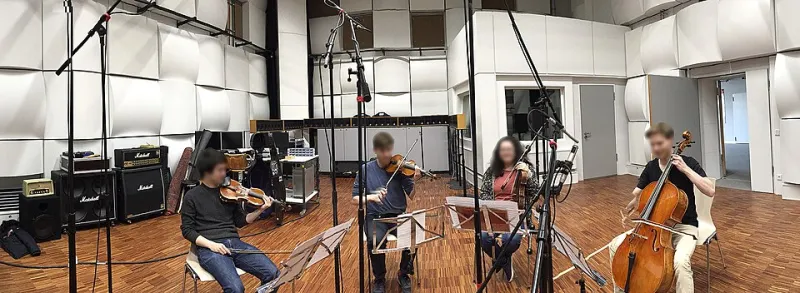
Photo: musicians: anonymous recording: Dieter Leckschat, CC BY-SA 4.0, via Wikimedia Commons
Let's be honest about something uncomfortable: Spotify doesn't know you exist. Neither does TikTok, YouTube, or any other platform that could theoretically turn your music into a career. These systems aren't malicious—they're just indifferent. They push what performs, reward consistency, and bury everything else under an avalanche of content uploaded every single minute of every single day.
For independent artists, that reality can feel like a gut punch. You've poured everything into your sound, your lyrics, your live show—and then some faceless recommendation engine decides none of it matters unless you hit certain engagement thresholds first. It's maddening.
But here's the thing: a growing number of indie and alternative bands are figuring out how to make the machine work for them. Not by chasing trends or sanding down their edges, but by understanding how these platforms actually function—and being strategic about every move they make.
Timing Is Everything (No, Really)
One of the most overlooked levers in a band's control is when they release music. Dropping a single on a random Tuesday because you're excited? That's a fast track to getting buried. Platforms like Spotify pitch editorial playlists on a weekly cycle, and most of them have submission deadlines that fall well before a release goes live.
The general rule of thumb most indie artists swear by: submit to Spotify for Artists at least seven days before your release date, aim for Friday drops (when streaming volume is highest), and avoid releasing during major cultural moments—like a Taylor Swift album drop or a holiday weekend—when you'll be fighting for attention against impossible odds.
Bands like Phangs and Sable out of Nashville have talked openly about how shifting from spontaneous drops to a structured release calendar made a measurable difference in their playlist placements. It's not glamorous. It's basically project management. But it works.
Playlist Pitching Isn't Just for the Big Guys
A lot of emerging artists assume playlist placement is reserved for artists with label backing or industry connections. That's increasingly not true. Independent curators—people who run playlists with anywhere from 5,000 to 500,000 followers—are actively looking for new music, and many of them are reachable through platforms like SubmitHub, Groover, and even direct Instagram DMs.
The key is doing the homework. Don't blast your track to every playlist curator you can find. Study the playlist's vibe, its existing tracks, its listener base. Pitch specifically and personally. A short, genuine message explaining why your song fits their playlist will land infinitely better than a copy-paste email.
For Misha Band, this kind of targeted outreach has always felt more authentic anyway—connecting with people who actually care about the music, rather than gaming mass exposure for its own sake.
TikTok Hooks: Cringe-Free Strategies That Actually Convert
Okay, we know. The idea of a band you respect doing a TikTok trend feels wrong. But the artists who've figured out TikTok aren't necessarily doing dances—they're telling stories. Behind-the-scenes footage from rehearsal, the raw moment a song comes together, a 30-second clip of a live show where something unexpected happened. That stuff performs.
The algorithm on TikTok rewards watch time and shares above almost everything else. That means your hook—whatever happens in the first two or three seconds—matters more than the rest of the video combined. For bands, that might mean starting mid-riff, opening with a lyric that hits hard, or leading with a visual that makes someone stop scrolling.
Artists like Wet Leg and Wednesday both built early US buzz partly through TikTok content that felt completely native to their personalities. They weren't performing for the algorithm—they were just being themselves in short-form video. The algorithm rewarded that authenticity because audiences rewarded it first.
Discord: The Platform Nobody Talks About Enough
Here's a sleeper tactic that more indie bands should be taking seriously: Discord. What started as a gaming communication tool has quietly become one of the most powerful community-building platforms available to musicians.
A well-run Discord server lets your most dedicated fans feel like insiders. You can share demos before they're finished, host listening parties, run Q&As, let fans vote on setlists, and create a space where your community actually talks to each other—not just at you. That kind of engagement doesn't just feel good; it generates the word-of-mouth that algorithms can't manufacture.
Bands like Mom Jeans and Origami Angel have built tight-knit Discord communities that function almost like street teams. Those fans show up on release day, stream early, share widely, and tell their friends. That organic activity signals to platforms that something real is happening—and platforms respond by pushing the music further.
The Long Game Is the Only Game
Here's the uncomfortable truth that nobody in a rush wants to hear: sustainable streaming growth for independent artists almost never happens overnight. The bands who go from zero to meaningful numbers—we're talking 50,000 monthly listeners and climbing—typically spend 18 to 24 months building consistently before anything clicks.
That means releasing music regularly (most platform algorithms favor artists who release at least every six to eight weeks), maintaining a presence on two or three platforms rather than trying to be everywhere, and treating every small win—a new playlist add, a comment from a stranger who found you organically—as confirmation that the strategy is working.
The algorithm doesn't care about your art. But your future listeners do. The algorithm is just the door you have to get through to reach them.
So learn the door. Then walk right through it and play like yourself.