Your Fans Built This: How Indie Bands Are Turning Listeners Into Collaborators
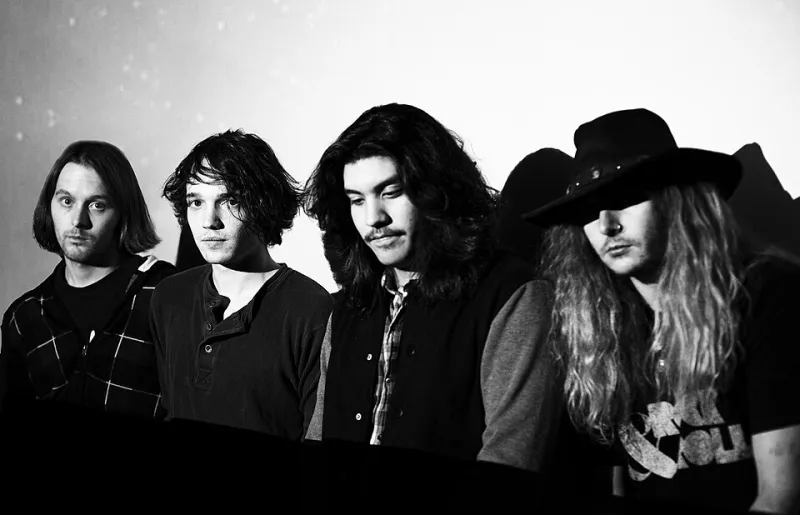
Photo: BadflowerFan, CC BY-SA 3.0, via Wikimedia Commons
There's a moment that happens at small venues all across the country—a packed room in Nashville, a sticky-floored club in Brooklyn, a DIY space in Portland—where the line between the band and the crowd completely dissolves. Someone in the front row mouths every single word. Not just the chorus. Every. Single. Word. That person didn't just discover the song on a playlist. They were there for it. They watched the demo get workshopped on Instagram Stories. They voted on the album cover. They argued about the setlist in a Discord thread at 2 a.m.
That's not a fan anymore. That's a stakeholder.
And for indie and alternative bands navigating the chaos of the current music landscape, those stakeholders are becoming the most valuable asset in the whole operation.
The Old Model Was a One-Way Street
For decades, the traditional record label playbook treated fans like a passive audience. You made the music, the label packaged and distributed it, and the fans consumed it. Feedback came through sales figures and radio play. The relationship was transactional at best, exploitative at worst.
But here's the thing—that model was always built on a kind of controlled distance. Labels needed the mystique. They needed fans to project onto artists rather than actually know them. The moment a band became too accessible, too real, too human, the machinery got nervous.
Independent artists don't have that machinery. And it turns out, that's a massive advantage.
Discord Is the New Backstage Pass
Ask any indie band manager worth their salt what platform has changed fan engagement the most in the last three years, and nine times out of ten they'll say Discord. Not because it's flashy—it's honestly kind of clunky—but because it works in a way that Instagram comments and TikTok duets just don't.
Private Discord servers give bands a space to have actual conversations with fans. Not a broadcast. Not a carefully curated feed. A conversation. Bands share rough mixes and ask for honest reactions. Fans submit artwork for merch consideration. Whole communities debate whether the next tour should hit the Midwest or the Pacific Northwest first.
One indie rock outfit based out of Chicago reportedly let their Discord community vote on three potential album titles before their last release. The title that won? It came from a fan who'd been in the server since its first week. That kind of buy-in doesn't come from a PR campaign. It comes from trust built over time, one genuine interaction at a time.
Patreon, Bandcamp, and the Economics of Belonging
Direct-to-fan platforms have been around long enough now that the early adopters are seeing real, compounding returns—not just financially, but culturally. Bands using Patreon to offer exclusive content aren't just generating revenue; they're creating a tiered sense of belonging that feels genuinely earned.
A fan who pays ten bucks a month for early access to demos, handwritten lyrics, and monthly video diaries isn't just a subscriber. They're invested. They've got skin in the game. When that band drops a new single, that fan isn't passively listening—they're rooting for it. They'll share it, defend it in comment sections, and show up to the record release show three hours early.
Bandcamp's model takes it even further in some ways. The platform lets fans leave messages when they purchase, and a lot of artists actually read and respond to those messages. That kind of direct line—artist to fan, no algorithm in between—creates the kind of loyalty that no amount of label-funded promotion can replicate.
When Fans Become Co-Creators
The really interesting stuff happens when bands stop treating fan input as a novelty and start treating it as part of the actual creative process.
Merch design is one of the most common entry points. A band posts three rough design concepts, fans weigh in, and the winning design sells out in 48 hours because the people who voted for it are already emotionally attached to the outcome. Simple, effective, and it costs the band nothing but a little transparency.
But some acts are going deeper. There are bands inviting super-fans to virtual listening sessions before albums drop, collecting detailed feedback that genuinely shapes final mixes and track sequencing. Others are crowdsourcing tour city suggestions and then actually routing their tours based on where the most vocal fan clusters are located. A few have even brought fans into the room—literally—for collaborative songwriting sessions, either in person or over video calls.
None of this is accidental. It's a deliberate philosophy: treat your audience like partners, and they'll act like partners.
The Parasocial Tightrope
It's worth being honest about the tension here, though. There's a difference between genuine community building and manufactured intimacy, and fans can usually tell the difference. When a band's "exclusive behind-the-scenes content" is clearly staged and polished, it reads as hollow. When a Discord server is managed by an intern who's following a content calendar, the community feels it.
The bands doing this well are the ones who are actually showing up—imperfectly, inconsistently sometimes, but authentically. They're not performing connection. They're actually connecting.
There's also the question of where to draw the line. Artists are humans, not community managers, and the expectation of constant availability can become its own kind of pressure. The healthiest versions of these fan communities seem to be the ones where the band has been upfront about what they can and can't offer—and where the fans have developed genuine relationships with each other, not just with the band.
What This Means for the Future
The music industry is still figuring out what all of this means at scale. Labels are watching these models closely, and some have tried to replicate them with varying degrees of success. But the fundamental ingredient—genuine trust between artist and audience—isn't something you can fake or buy.
For indie and alternative bands, the opportunity is wide open. You don't need a massive budget or a major label co-sign to build a community that will follow you from city to city, buy your merch, fund your next record, and tell every person they know about your music.
You just need to show up like you mean it. Every time.
The fans who become collaborators, who become stakeholders, who become the loudest voices in the room—they don't build that loyalty for a brand. They build it for the people behind the music. Give them a reason to believe in those people, and they'll show up for the rest of it on their own.