Show Me the Money: A No-BS Financial Guide for Independent Musicians
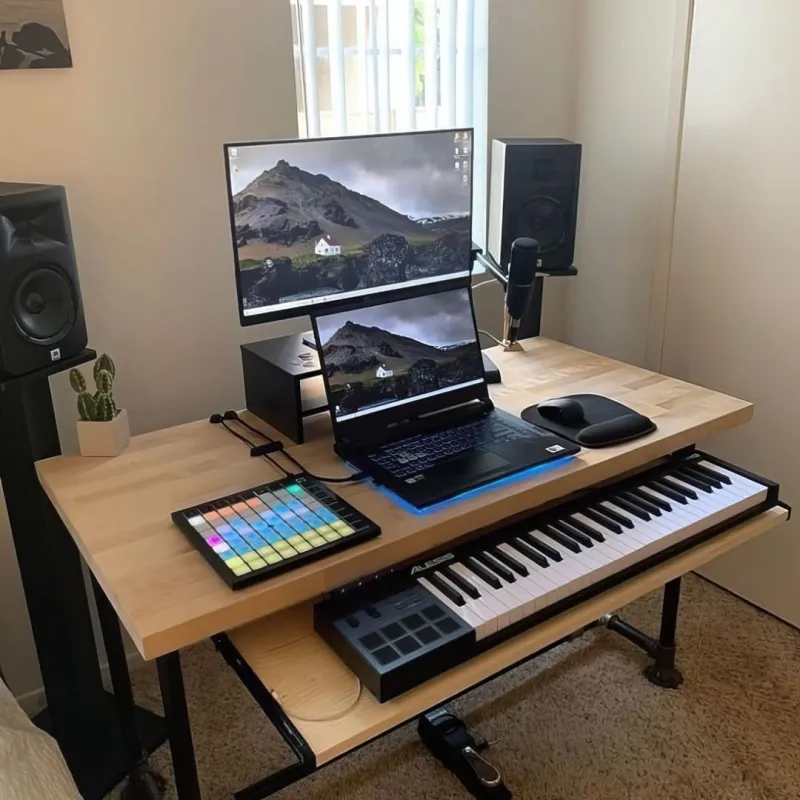
Photo: independent musician budgeting laptop music studio home recording gear desk, via i.pinimg.com
Let's get one thing straight: being an independent musician is one of the most creatively rewarding paths you can take. It's also, financially speaking, a minefield. Nobody hands you a syllabus for this stuff. You learn by doing — which usually means learning by screwing up first.
We've talked to indie artists across the US who've navigated the DIY path long enough to have real opinions about where the money goes, what's actually worth spending on, and what's a complete waste. Here's the honest breakdown they wish someone had given them at the start.
First, Understand What You're Actually Signing Up For
When you go independent, you're not just an artist anymore. You're running a small business. The creative work is maybe 30% of what you actually do — the rest is budgeting, logistics, outreach, and a thousand other tasks that don't feel glamorous but keep the whole operation moving.
The sooner you accept that, the better decisions you'll make with your money. Every dollar you spend is either an investment in your career or a cost you'll have to justify. There's no label absorbing the losses. It's on you.
So let's talk numbers.
The Big Buckets: Where Your Money Actually Goes
Recording and Production
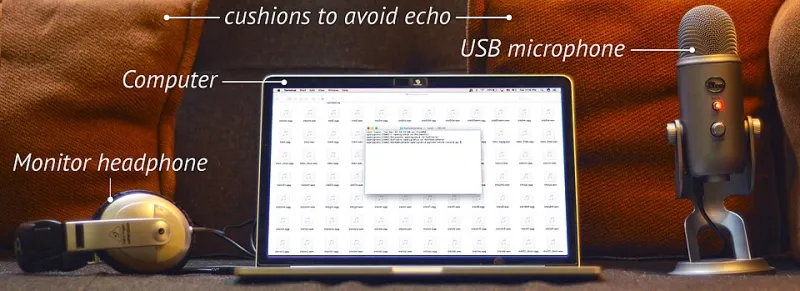
This is usually the first place emerging artists overspend or underspend — and both mistakes are costly. Booking a high-end studio for a debut EP before you've built any audience is a financial gut punch you might not recover from. But recording on a phone mic and calling it lo-fi when it's just bad audio won't do you any favors either.
The sweet spot for most indie acts? Find a mid-tier studio or a freelance producer who genuinely connects with your sound. Rates vary widely across the US — you might pay $500/day in a smaller market or $1,500+ in LA or New York — but a skilled producer in a modest setup can deliver professional results at a fraction of the cost. Budget realistically: a solid 4-6 song EP can run anywhere from $2,000 to $8,000 depending on your market and approach.
Vinyl and Physical Merch
Vinyl is having its moment, and yes, it's worth pressing if you have an audience that'll buy it. But the economics require honesty. A run of 300 LPs can cost $1,500–$2,500 once you factor in mastering, printing, and manufacturing. You need to sell most of that run just to break even.
T-shirts, stickers, and other merch tend to have better margins — and they're walking advertisements. Prioritize merch that your specific fanbase actually wants. Don't press 200 hoodies because you think they look cool. Ask your audience first.
Marketing and Digital Presence
Here's where a lot of indie artists throw money into a black hole. Paying for social media ads before you have a clear message and a defined audience is basically paying to learn what doesn't work. It has its place, but it shouldn't be your first move.
What is worth spending on: a clean, functional website (not a $5,000 custom build — a well-configured template gets the job done), professional photos (these pay dividends for years), and targeted playlist pitching services if you've got streaming-ready tracks. For most artists, $200–$500 spent on professional photography is one of the highest-ROI investments in their early career.
Touring Costs
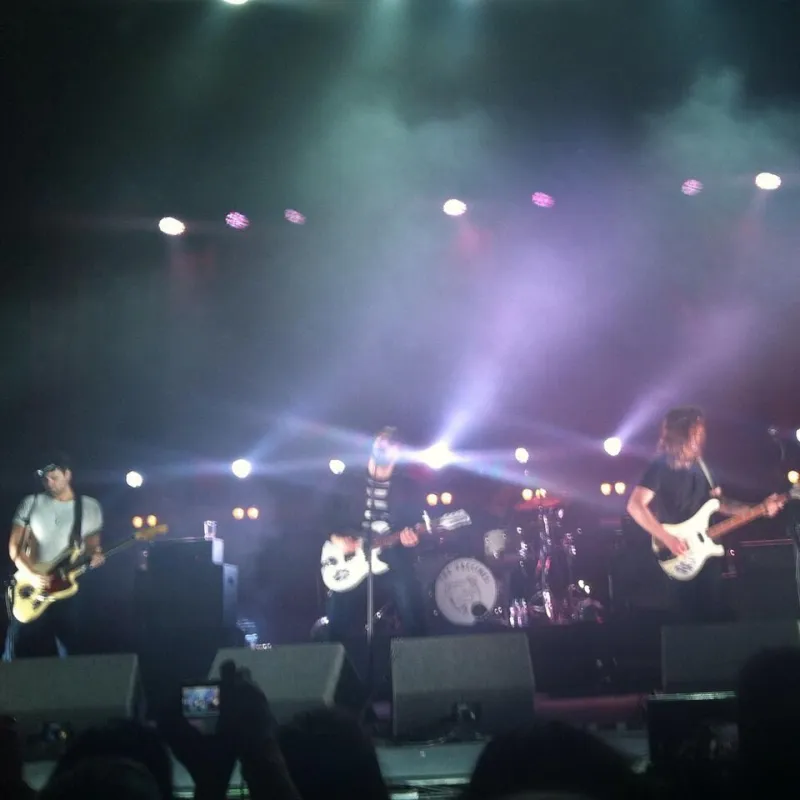
Touring is where the financial reality of indie life gets brutally clear. Gas, lodging, food, van maintenance, gear repairs, venue fees — it adds up faster than you expect. A regional weekend run can easily cost $800–$1,500 before you've sold a single ticket.
The key is to stop thinking about touring as a revenue stream in the early stages and start thinking about it as a marketing expense. You're buying audience growth, not turning a profit. Once you understand that, you can budget accordingly and stop feeling crushed when a four-show run barely breaks even.
The Mistakes That Drain Artists the Fastest
Paying for fake streams or followers. It feels like a shortcut. It isn't. Platforms are getting better at detecting it, and inflated numbers that don't convert to real engagement make you look worse to industry contacts who know what they're looking at.
Skipping the business basics. No LLC, no separate bank account, no expense tracking — these aren't just administrative headaches, they're financial traps. Keep your personal and business finances separate from day one. It makes tax season survivable and protects you if something goes sideways.
Overpaying for distribution. There are excellent low-cost or flat-fee distribution options available right now. You do not need to give up a percentage of your royalties to get your music on Spotify and Apple Music in 2024. Do the research.
Underpricing yourself. This one stings because it feels like humility. It isn't. Charging too little for gigs, merch, or licensing doesn't make you more relatable — it devalues your work and sets a floor that's hard to raise later.
What's Actually Worth Spending On
If you've got limited funds and need to prioritize, here's the honest hierarchy:
- Sound quality — Your recordings are your calling card. Don't cut corners here.
- Visual identity — Photos, artwork, and a coherent aesthetic communicate professionalism before anyone hears a note.
- Live performance — Invest in reliable gear and, if possible, a sound person who knows your material.
- Community — The relationships you build with other artists, local venues, and regional media are worth more than most paid marketing.
Everything else is secondary until those four areas are solid.
Building a Budget That Actually Works
Start by tracking everything you spend on your music for 90 days. Not guessing — actually tracking. Most artists are surprised by where the money goes when they look at it honestly.
From there, build a simple annual budget with categories: recording, merch, touring, marketing, tools and subscriptions, and a contingency fund (because something always breaks). Set realistic targets for each category based on what you can actually afford, not what you wish you could spend.
And revisit it. A budget you set in January and ignore for the rest of the year isn't a budget — it's a wish list.
The Long Game
Financial sustainability as an indie artist isn't about getting rich. It's about staying in the game long enough for things to compound — the audience that grows show by show, the catalog that keeps generating streams, the reputation that opens doors.
The artists who make it work over the long haul aren't always the most talented. They're the ones who treat their career like a real operation, make smart decisions with limited resources, and refuse to let the financial side of things be an afterthought.
Go independent because you want creative control. Stay independent because you've built something sustainable. That's the move.