Order Matters: The Hidden Art of Building a Setlist That Hits Every Time
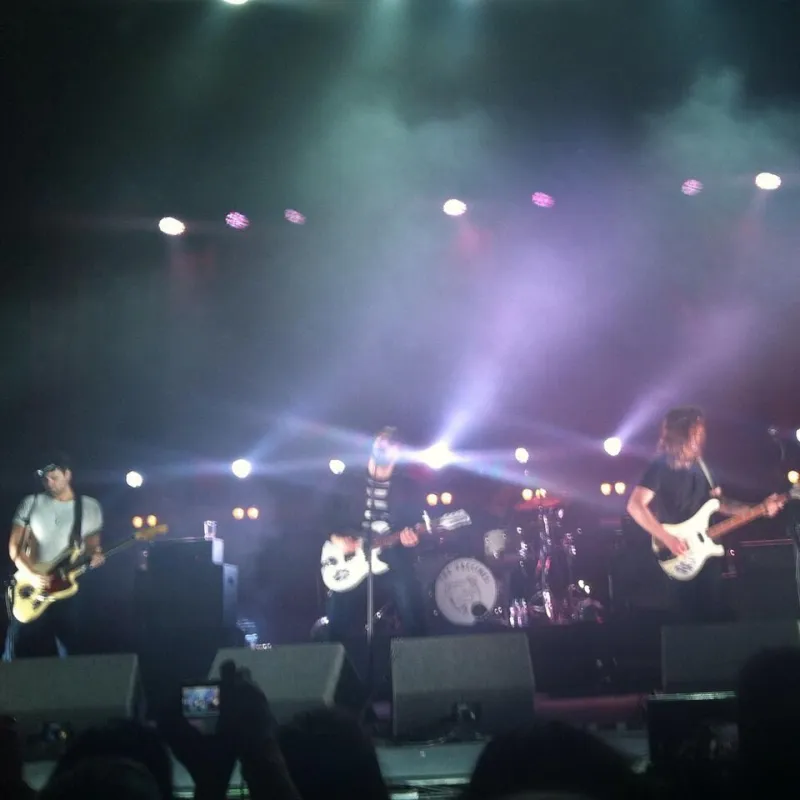
Photo: Kimberly867, CC BY-SA 4.0, via Wikimedia Commons
You've heard the cliché a thousand times — "the show was incredible from start to finish." But have you ever stopped to wonder why some nights just work and others fall flat, even when the band plays the exact same songs? The answer, more often than not, comes down to sequencing. The setlist isn't an afterthought. For a lot of indie and alternative artists, it's the closest thing to a secret weapon they've got.
We talked to musicians grinding through clubs and theaters across the US about how they think about song order — and what they've learned the hard way about building a show that actually lands.
The Opening Salvo: You've Got About 90 Seconds
There's a brutal truth about live shows: audiences decide how they feel about you fast. Real fast. The first song sets the temperature of the entire room, and if you blow it, you're spending the next 45 minutes trying to claw your way back.
Most experienced indie acts will tell you the opener needs to do one of two things — either hit hard and grab people by the collar, or open a door they can't help but walk through. Think of it like the first chapter of a novel. You don't bury the hook on page 40.
Some artists swear by opening with the most energetic track in their catalog. Others prefer something mid-tempo that establishes their sonic identity before unleashing the chaos. What almost no one recommends? Starting slow and building gradually from zero. Crowds in the US especially — whether you're playing a dive bar in Nashville or a theater in Brooklyn — come in with energy that needs to be met, not warmed up like a car engine in January.
The Architecture of the Middle
Here's where setlist construction gets genuinely interesting, and honestly, kind of psychological. The middle of a set is where most shows either find their groove or lose the plot entirely.
Think of the first third as your promise to the audience. The middle third is where you deliver on it — and where you have the most flexibility to take risks. This is the zone where artists typically slot in newer material, deeper cuts, or the songs that don't have the same name recognition but mean something to the band.
The push-and-pull between fan favorites and fresh tracks is real. Play too many unfamiliar songs back-to-back and you'll feel the crowd drift. But if you never challenge your audience, you're not growing — you're just performing the same show forever.
A smart move a lot of indie acts use: sandwich the unfamiliar. Put a song people know and love on either side of the new stuff. You're essentially giving the audience permission to come along for something they haven't heard yet, because you've already earned their trust with something they have.
Dynamic Range Isn't Just for Mixing Boards
One of the most overlooked elements of setlist craft is dynamic contrast. A set that stays at the same intensity level the whole time — whether that's relentlessly loud or consistently mellow — actually becomes harder to feel over time. The brain adapts. You stop noticing.
The best shows have a shape to them. Peaks and valleys. A moment where the room gets quiet enough that you can hear people breathing, followed by a release that hits twice as hard because of what came before it.
This is where acoustic interludes, spoken moments, or stripped-back versions of songs earn their place. It's not just about giving the band a breather. It's about resetting the audience's emotional baseline so the next surge actually lands.
The Closer: Leave Them Wanting More (Not Relieved It's Over)
Endings are everything. A lot of bands make the mistake of saving their absolute best song for the encore — and then the encore becomes expected, formulaic, even a little awkward. The crowd files back in, the band comes back out, everyone does the ritual.
The smarter play, according to a lot of touring indie acts, is to build toward a climax before the encore and treat the encore as a genuine gift rather than an obligation. Your last song before you walk off should feel like a culmination. The encore, if you do one, should feel like an unexpected bonus — something personal, something rare, or something that reframes everything that came before it.
The shows people remember years later almost always end on something that feels both inevitable and surprising at the same time. That's a hard target to hit, but it's worth aiming for.
Reading the Room in Real Time
All the planning in the world doesn't account for a Tuesday night crowd in Cleveland that's half the size you expected, or a sold-out Friday in Austin where the energy is through the roof by song two. The setlist is a plan, not a contract.
The most seasoned performers talk about developing a kind of live-show intuition — the ability to read what the room needs and adjust on the fly. Maybe you skip the slow ballad because the energy is too good to kill. Maybe you lean into it because the crowd looks like they need a moment to breathe. That kind of responsiveness only comes from playing a lot of shows and paying attention.
But here's the thing: you can only improvise effectively when you've done the homework first. Knowing your setlist cold — knowing exactly what each song does to a room, what it follows well, what it can't follow — gives you the freedom to break the rules when the moment calls for it.
The Setlist as Storytelling
At the end of the day, the best setlists tell a story. Not necessarily a literal narrative, but an emotional one. There's an arc. There's intention. The audience might not be able to articulate it, but they feel it — that sense that what just happened wasn't random, that someone cared enough to think about the experience they were having.
For indie and alternative artists especially, that kind of intentionality is part of the brand. It signals that you take your craft seriously. It turns a gig into a show. And it's the difference between an audience that claps politely at the end and one that's already pulling up your Spotify on the walk to their car.
The setlist is a document. Build it like it matters.