Stolen Love: Why We Stopped Fighting the Bootleg Merch Scene and Started Paying Attention

Photo by Photo by Lemon Ruan on Unsplash on Unsplash
Somewhere out there, someone is ironing a hand-cut Misha Band patch onto a denim jacket they bought at Goodwill. They didn't ask permission. They didn't send a royalty check. And they absolutely do not care that the logo is slightly off-center.
For a long time, the instinct in the music industry — at every level — was to treat that person like a thief. Cease-and-desist letters, takedown notices, strongly worded posts in band forums. The logic made a certain kind of sense: merch revenue keeps independent artists alive. Someone undercutting that with knockoffs is essentially picking your pocket.
Except the more you actually look at what's happening in the bootleg merch ecosystem around indie bands, the more that framing starts to fall apart.
What the Bootleg Economy Actually Looks Like
This isn't a story about counterfeit tour tees being sold outside arenas by organized crime syndicates. That version of bootlegging — the one that genuinely costs artists real money — is mostly a major-label problem. What's happening in the indie space is weirder, more personal, and a lot harder to categorize.
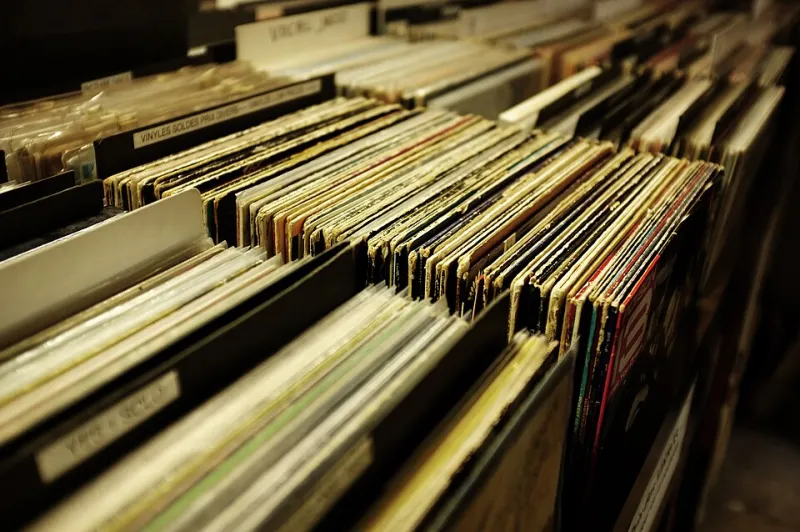
Fan-made merch in the indie world tends to look like this: a collector in Ohio who pressed 50 copies of a live recording onto colored vinyl and sold them through a Discord server. A textile artist in Portland who silk-screens custom patches based on album artwork and trades them at shows. A graphic designer in Austin who makes limited-run zines mixing band photography with original writing and charges just enough to cover printing costs.
None of these people are getting rich. Most of them are barely breaking even. What they're doing is filling a gap — creating artifacts that the band itself either can't afford to produce or hasn't thought to make yet.
That distinction matters a lot.
The Legal Gray Area Nobody Wants to Talk About
Here's the honest truth about fan-made merch: it lives in a genuinely complicated legal space, and anyone who tells you otherwise is oversimplifying.
Unauthorized use of a band's name, logo, or likeness for commercial purposes is technically infringement. Full stop. But "commercial purposes" gets murky fast when someone is selling twenty patches at cost to cover their Etsy fees. Enforcement is expensive, often disproportionate, and — for independent artists who don't have a label's legal team on speed dial — largely impractical.
More importantly, a lot of indie artists are making a deliberate choice not to pursue it. Not because they're naive about the law, but because they've done the math on what bootleg culture is actually costing them versus what it's giving back.
"The people making that stuff are the same people who show up to every show, who bring three friends, who post about us constantly," one independent artist told us. "Going after them legally would be the most expensive way to destroy my most loyal fanbase."
When Bootlegs Become Cultural Artifacts
There's an argument — and it's a compelling one — that unauthorized fan-made merch is one of the most authentic expressions of what a band actually means to people.
Official merch is designed. It's focus-grouped, or at least thought through. It reflects how a band wants to present itself. Bootleg merch reflects how fans actually experience the music — and those two things are not always the same.
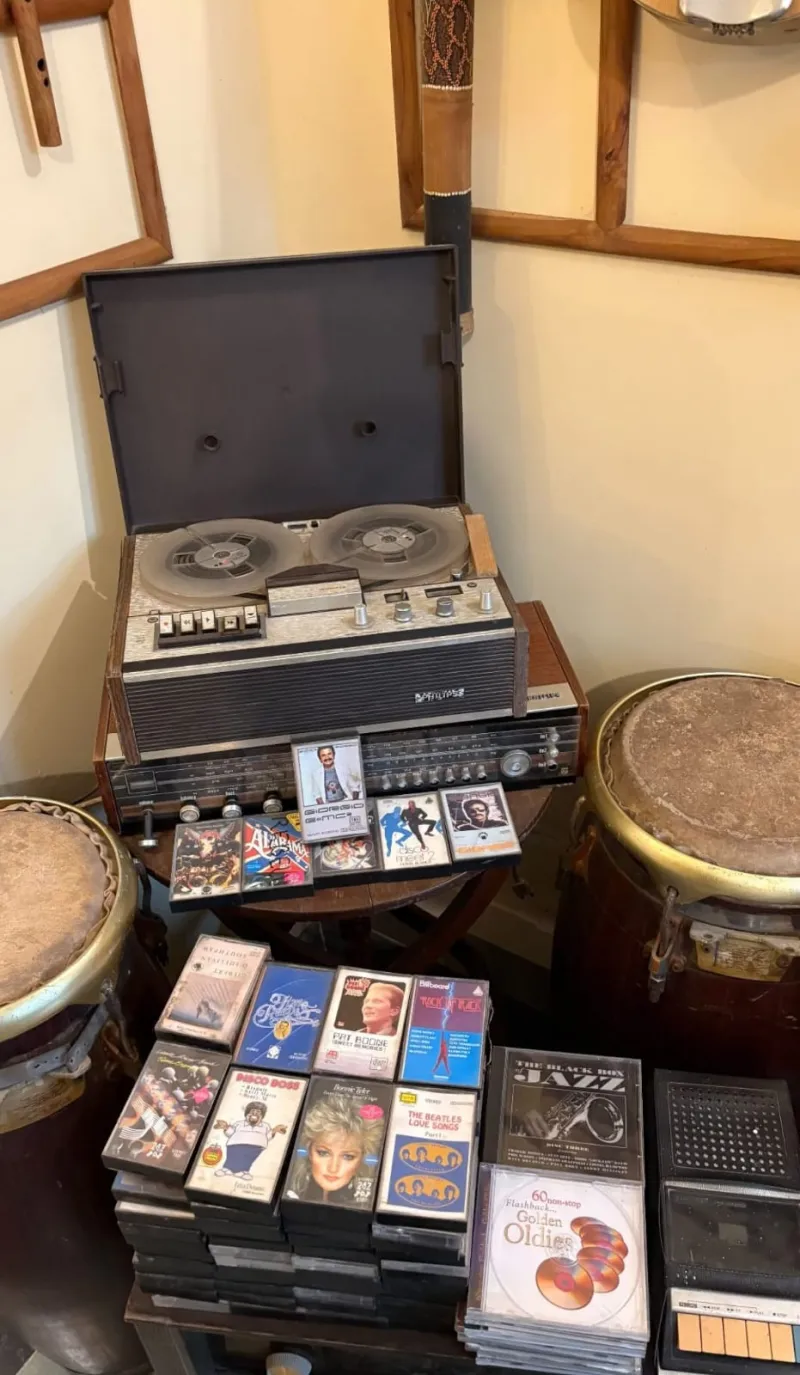
Collectors in the indie space talk about bootleg items the way record nerds talk about rare pressings. The slightly wrong Pantone color on a bootleg tee. The handwritten track listing on an unofficial live vinyl. The patch that captures a lyric in a way the official artwork never did. These imperfections aren't bugs — they're the whole point. They document a fan's relationship with the music, not the band's marketing strategy.
Denver-based collector Remy S., who runs a small online community dedicated to independent band ephemera, puts it plainly: "Official merch tells you who the band wants to be. Bootleg merch tells you who the fans think they are. Sometimes those are the same thing. A lot of times they're not, and the gap between them is where the interesting stuff lives."
Why Some Artists Are Leaning Into It
A growing number of independent artists aren't just tolerating the bootleg economy — they're actively engaging with it. Some are reaching out to the fan-makers whose work they admire and formalizing informal relationships: buying pieces for themselves, sharing bootleg content on their own channels, or collaborating on limited runs that blur the line between official and unofficial entirely.
The strategic logic isn't hard to follow. Fan-made merch is free marketing. It extends a band's visual presence into spaces the official store never reaches. It signals to the broader world that this artist has a community passionate enough to make things — and that kind of organic credibility is worth more than any paid campaign.
There's also something philosophically consistent about it for artists who built their identity on DIY culture. If the whole point is that music belongs to the people who love it, drawing a hard line around merchandise starts to feel a little hypocritical.
"We came up making our own stuff out of nothing," one indie artist told us. "How do you turn around and tell a fan they can't do the same thing?"
The Line That Still Exists
None of this means the bootleg economy is consequence-free or that every unauthorized item is equally harmless.
There's a real difference between a fan making patches for trade at shows and someone running a high-volume Etsy shop that's genuinely competing with a band's official merch revenue. The first is fan culture. The second is a business built on someone else's work, and artists have every right to push back on it.
The distinction most indie artists seem to be landing on is about intent and scale. Is this person celebrating the music, or monetizing it? Are they creating something new, or just copying what already exists? Is the money going back into the fan community, or into someone's pocket?
Those aren't always easy calls. But they're the right questions.
What It Means for the Rest of Us
The bootleg merch economy around independent music is, at its core, a story about what happens when people love something enough to make it their own. It's messy and legally ambiguous and occasionally frustrating for the artists involved. It's also, undeniably, a sign of something real.
Bands with bootleg scenes have communities. They have people who care enough to spend their own time and money creating artifacts of their fandom. In an era where attention is the scarcest resource in music, that's not nothing.
The unauthorized patch on that thrift-store denim jacket? It's a little crooked, the colors aren't quite right, and nobody asked permission to make it. It's also someone walking around the world as a billboard for music they love — and doing it entirely on their own terms.
Honestly, that sounds pretty on-brand for indie culture to us.