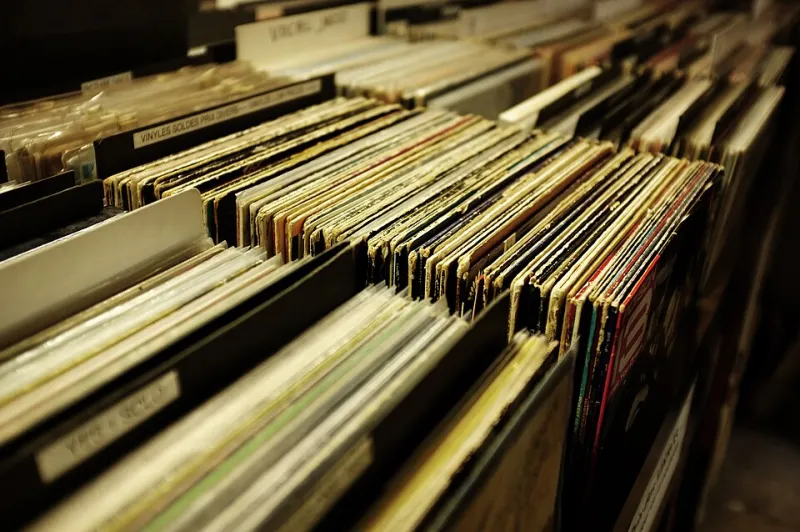
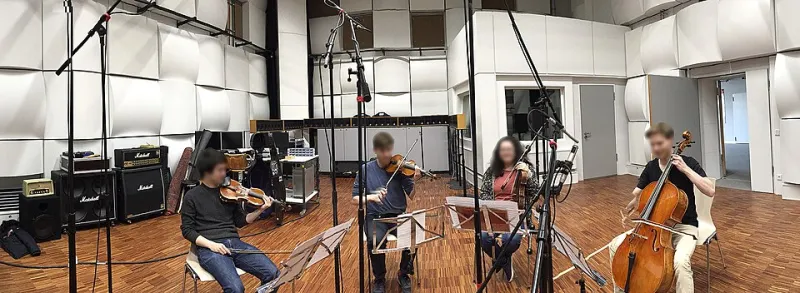
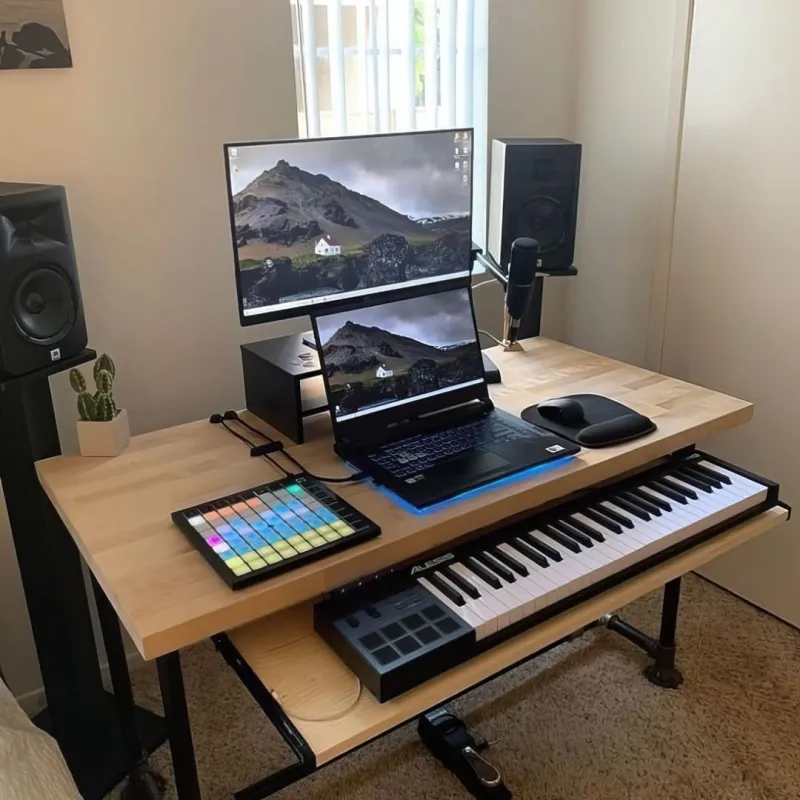
Hidden Frequencies: The Underground Fan Culture Keeping Rare Misha Band Recordings Alive
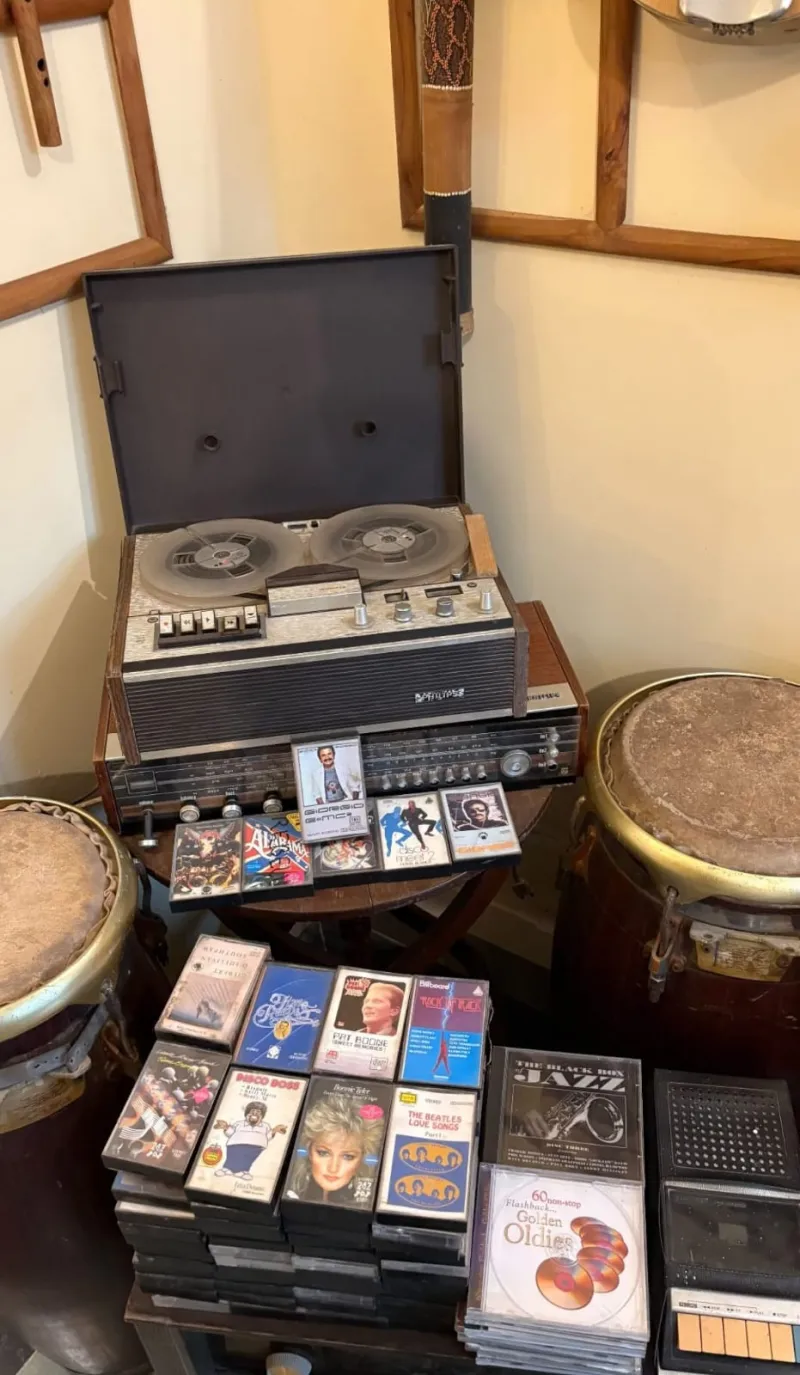
Photo: Himesh23, CC BY-SA 4.0, via Wikimedia Commons
The Record Nobody Was Supposed to Hear
Somewhere in a private Discord server, a fan just uploaded a shaky phone recording from a 2019 basement show. The audio is rough—you can hear someone coughing in the background, the bass is clipping, and there's a solid thirty seconds of crowd chatter before the song even starts. Within an hour, it has forty replies. People are timestamping their favorite moments. Someone's already asking if anyone has the full setlist from that night.
This is the cult of the unreleased track, and it's very much alive.
For indie and alternative music communities, the hunt for rarities isn't just a hobby—it's practically a religion. Bootlegs, leaked demos, acoustic one-offs recorded in green rooms, alternate versions that never made the final cut: these recordings carry a weight that polished album tracks sometimes can't match. They feel true in a way that's hard to explain but impossible to deny once you've experienced it.
Why Imperfect Recordings Hit Different
There's a psychological pull to hearing something that wasn't meant for public consumption. It's the musical equivalent of reading someone's journal. The flaws are features—a cracked vocal note, a guitar string buzz, the audible intake of breath before a chorus. These are the details that streaming platforms and studio engineers spend thousands of dollars erasing, and fans are out here collecting them.
For a lot of listeners, these recordings become the entry point into a deeper relationship with a band. You stumble across a demo version of a song you already love, and suddenly you're hearing the bones of it—the original chord progression, the lyric that got changed, the tempo that felt more urgent before the producer slowed it down. It recontextualizes everything. You start listening to the finished album differently. You start paying more attention.
That's the core of what makes rarities so powerful: they reward the fans who are already paying attention, and they pull casual listeners into becoming obsessives.
The Community That Forms Around Scarcity
Fan communities built around rare material operate differently from mainstream music spaces. They're smaller, more curated, and often fiercely protective of their archives. You'll find them scattered across Reddit threads, Telegram groups, dedicated fan wikis, and old-school message boards that look like they haven't been updated since 2007 (but somehow still have active members).
What's fascinating is how these spaces develop their own internal culture. There are unwritten rules about sourcing—crediting the person who originally recorded or shared something is taken seriously. There are debates about whether it's ethical to circulate certain demos if the artist hasn't officially released them. There are curators who spend real time organizing and cataloging recordings, essentially building unofficial archives that preserve moments a band might not even remember.
These aren't just fan clubs. They're living libraries.
How Bands Can Feed the Hunger (Without Losing Control)
Here's where it gets strategic. Bands that understand this culture can work with it instead of against it, and the results can be genuinely remarkable for building long-term loyalty.
Exclusive vault releases are one of the cleanest moves. Dropping an unreleased track—even something rough and unfinished—through a newsletter, a Bandcamp subscriber tier, or a Patreon page gives fans the feeling of access without the chaos of a leak. The key is framing it honestly: this is a demo from the early sessions, we almost didn't share it, but here it is. Authenticity is everything. Fans can tell when something is being packaged as raw when it's actually been quietly polished.
Limited physical releases tap into the same impulse. A 7-inch with a B-side that's only available at shows, or a cassette run of 200 copies with two unreleased tracks, becomes an artifact. People keep these things. They photograph them. They trade them. The scarcity isn't artificial—it's a genuine reflection of the band's relationship with its own catalog, and fans respond to that.
Listening parties are maybe the most underutilized tool in this space. Gathering a small group of dedicated fans to hear something before anyone else—even if it's just a rough mix played through a laptop in the back of a record store—creates a shared experience that becomes part of the lore. The people who were in that room will talk about it for years. They become ambassadors in a way that no marketing campaign can manufacture.
The Insider Effect
What all of these approaches have in common is the creation of insider access—the feeling that you're part of something not everyone gets to be part of. In an era where music is infinitely available and algorithmically recommended, that feeling is genuinely rare. It's the thing streaming platforms fundamentally cannot replicate.
And here's the thing about insider communities: they self-sustain. Once a group of fans feels genuinely close to a band's creative process, they become invested in the band's success in a way that goes way beyond just buying tickets. They evangelize. They bring friends. They defend the band in comment sections. They show up.
The cult of the B-side isn't really about the recordings themselves. It's about the relationship those recordings represent—a band willing to show the rough edges, and fans willing to love them for it.
For any artist trying to build something real and lasting, that's not a niche concern. That's the whole game.