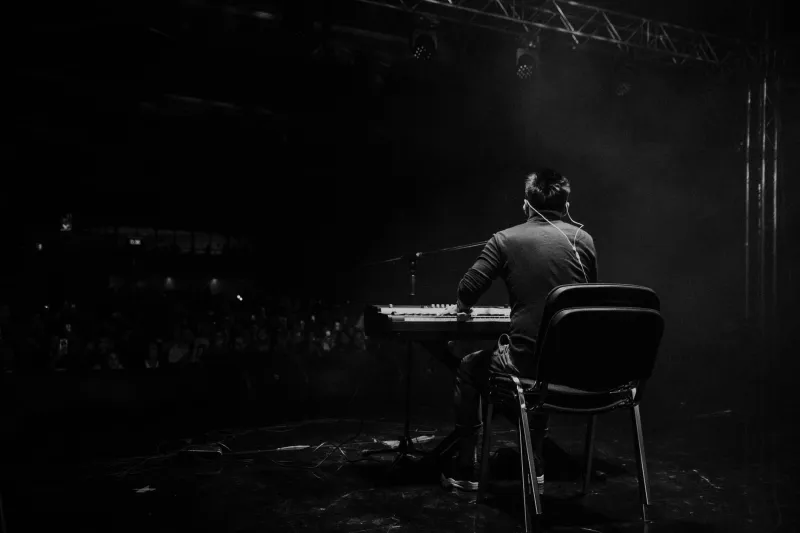
One Clip, One Box: How Going Viral Can Quietly Shrink Your World as an Artist
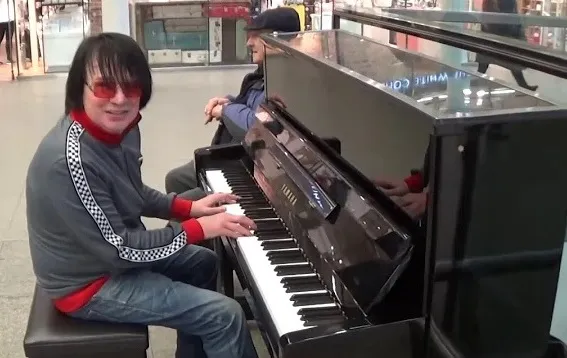
Photo: Razzladazzla, CC BY-SA 4.0, via Wikimedia Commons
Everybody wants the moment. The thirty-second clip that blows up overnight, floods your Spotify streams, and suddenly has people tagging you in posts from cities you've never even played. It feels like the universe finally paying attention. And for a week, maybe two, it genuinely is.
Then the requests start rolling in.
Play that song first. Can you do the thing from the video? Why isn't this on your setlist?
And just like that, the moment that felt like a door swinging open starts to feel a lot more like a wall.
The Algorithm Doesn't Know You — It Knows One Version of You
Here's the part nobody explains when you're refreshing your notifications at 2 a.m. watching the numbers climb: the algorithm that amplified your viral clip isn't interested in your catalog, your evolution, or the three years you spent building toward something real. It found a data point that worked and locked it in. That's its whole job.
For casual listeners who discovered you through that clip, you are that clip. Nothing more, nothing less. They didn't hear the album that moment came from. They didn't catch the live show where the song hits completely differently. They got a thumbnail and a hook, and their brain filed you under that folder — permanently.
This isn't a character flaw in your new fans. It's just how attention works in a scroll-first culture. The problem is when artists start making creative decisions around that single data point, chasing the version of themselves that the algorithm rewarded instead of the version they actually want to become.
When the Breakthrough Becomes the Ceiling
Look at what happened to a handful of indie acts over the last few years who hit that viral inflection point and then watched it calcify around them. A band builds a devoted following through patient, consistent work — intricate arrangements, emotionally layered lyrics, live sets that build like a conversation. Then one stripped-down acoustic clip catches fire, and suddenly every booking inquiry, every playlist pitch, every press inquiry is angled toward that sound. The intimate, minimal thing. Not the full band. Not the direction they were actually heading.
Some artists lean into it because the money makes sense short-term. They record an EP that sounds like the clip. They book acoustic shows they didn't plan on playing. And somewhere in that process, the thread connecting them to their actual creative vision gets thinner and thinner until they're essentially performing a tribute to a version of themselves that only existed for thirty seconds on someone else's phone.
Others resist — and get punished for it by the same algorithm that crowned them. Streams drop. Engagement falls. The comment sections fill up with this isn't what I followed you for, as if the artist signed a contract with a stranger's expectations.
Neither outcome is clean. Both are real.
The Identity Trap and How It Gets Sprung
The cruelest part of the viral ceiling isn't the external pressure — it's how quickly that pressure gets internalized. Artists start second-guessing material that doesn't echo the clip. They hesitate before playing new songs live because they can feel the room waiting for the one. They rewrite their own story in their head, placing that moment at the center of a narrative it was never supposed to anchor.
This is the identity trap. And it's especially brutal for indie and alternative artists whose entire value proposition is built on authenticity and artistic risk. When you've spent years telling your audience that you refuse to make safe choices, going viral on a safe moment — or being perceived as safe because of one moment — cuts deep.
The question isn't whether the viral clip was good. It probably was. The question is whether you're going to let one data point rewrite your whole operating manual.
Reclaiming the Narrative Without Burning the Bridge
The good news: you don't have to blow up the moment to survive it. You just have to be more deliberate than the algorithm.
Context is your most powerful tool. If that clip is going to follow you everywhere, make it a doorway rather than a destination. In interviews, on socials, in the way you talk about that song from the stage — frame it as one piece of a larger picture. Not dismissively, but honestly. This song came from a specific place in a specific season, and here's what's grown out of it. Give people a reason to stay curious.
Sequence your rollouts intentionally. If you're releasing new material, don't just drop it and hope the algorithm surfaces it to the right people. Build toward it. Create context. The fans who found you through the clip are capable of growing with you — but they need to be invited into the evolution, not surprised by it.
Play the long game on live shows. Your setlist is one of the few places you still have total editorial control. Yes, play the song that went viral. Play it like you mean it. But build the set around it in a way that tells a fuller story. Let the audience experience what came before and after that moment. A lot of casual listeners become real fans not because of the clip — but because of the show they almost didn't come to.
Stop apologizing for what you're making now. Nothing signals insecurity faster than an artist who prefaces every new release with I know this is different from what you're used to. Different is the point. Trust your audience to handle it, and the ones worth keeping will.
The Clip Is a Tool, Not a Contract
Going viral isn't a betrayal of your artistic integrity. It's not a sign that you sold out or dumbed down or accidentally made something too accessible. Sometimes a moment just lands, and that's fine. The danger isn't the moment itself — it's mistaking it for a mandate.
The artists who navigate this best are the ones who treat the viral clip the same way a good band treats a single: as an entry point, not a definition. You let it do its job — bring new ears in — and then you do yours, which is making sure those ears find something worth sticking around for.
Raw sound. Real stories. No filters. That's not a tagline you can maintain if you're letting a thirty-second clip write your next chapter for you.
The moment belongs to the algorithm. The career belongs to you. Don't get them confused.