Doors at 7 PM Means Something: In Defense of the Band You Came Early For
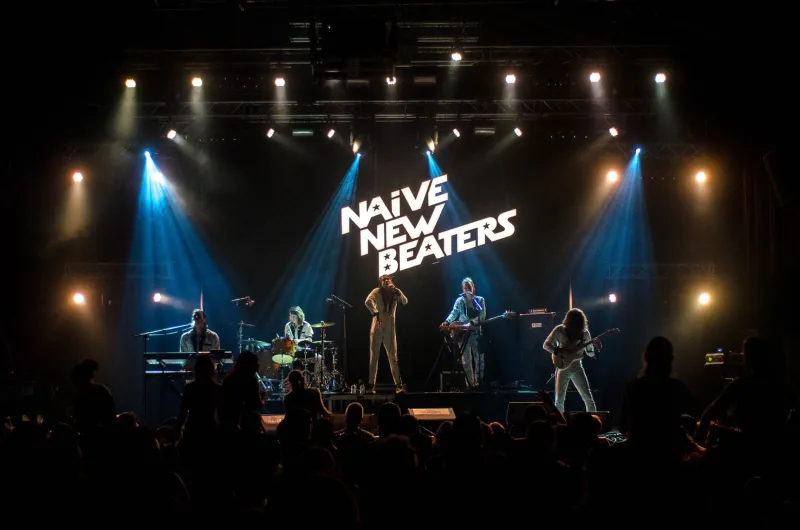
Doors at 7. Headliner at 10. That three-hour gap is where most people eat dinner, scroll their phones in the parking lot, or show up fashionably late with a beer in each hand.
We're asking you to reconsider that math.
We Were That Band Once
Before Misha Band had a merch table worth mentioning, we were the 7:30 slot at a dive in Columbus with eleven people watching—four of whom were the next band loading in. And here's the thing nobody tells you: those shows were some of the most honest performances of our lives.
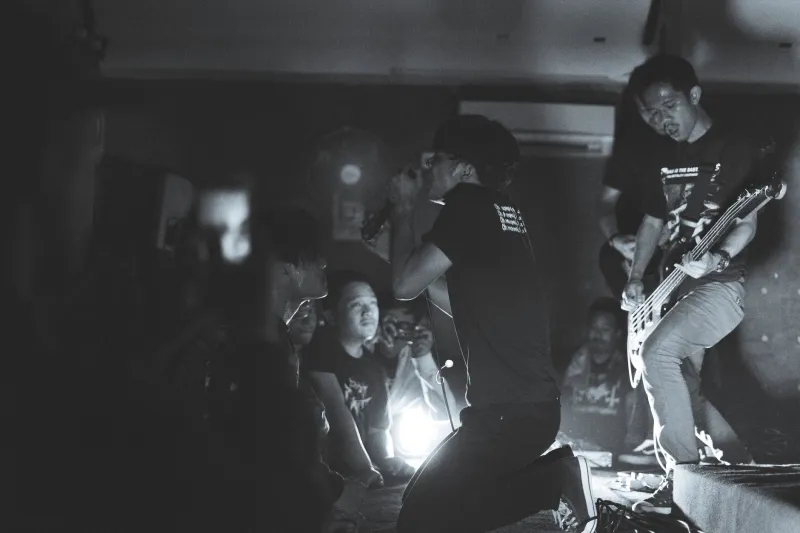
When you're the opener, there's no production to hide behind. No light rig doing the emotional heavy lifting. No crowd that already knows every word. It's just you, your songs, and maybe a soundcheck that got cut to twelve minutes because the headliner's trailer couldn't fit in the alley.
You play like the set might be the last one anyone ever lets you play. Because it might be.
The Rawest Version of Any Band You'll Ever See
Here's our theory: the opener is the least-filtered version of a band that exists. Headliners polish. Festival sets get sanded down for the biggest possible audience. But a band playing their first national tour slot is still figuring out who they are in real time, and that uncertainty is electric.
We've seen openers with three songs' worth of material stretch it into forty minutes through sheer will. We've seen a two-piece from Tucson turn a half-empty room into believers by the third song. That hunger doesn't survive success—it can't afford to. You only get it once.
The Openers That Ruined Us (In a Good Way)
Every band we respect, we respect partly because of who opened for them. A singer-songwriter in Portland who played a solo set with a broken string and didn't stop. A noise-rock trio in Detroit that made the bar staff put down their towels and watch.
One opener in Philadelphia changed how we write entirely. They had no album, no following, barely a demo—and they played like every song was a matter of survival. We went home that night and rewrote half our set. Not because they were better than us, but because they wanted it more visibly than we'd been wanting it lately.
That's the gift openers give you, if you're in the room to receive it.
What You're Actually Missing
If you only show up for the headliner, here's what you're skipping:
- The discovery. Plenty of arena acts were somebody's forgotten opener two years ago. Ask anyone who saw an unknown act warm up a crowd before they blew up—they never shut up about it, and rightfully so.
- The intimacy. Small crowds mean the band sees you. You're not a ticket number yet. That exchange doesn't happen at scale.
- The context. Headliners pick their openers deliberately. The opening slot is often a recommendation from one artist to another. It's a curatorial statement.
A Modest Proposal
Show up at doors. Grab a spot. Give the first band three full songs before you decide anything. That's it. That's the whole ask.
If they're great, you get bragging rights forever and a new favorite band before they get expensive. If they're rough, you get to watch a band learn in public, which is its own kind of beautiful. Either way, you're honoring the part of live music that doesn't get streamed, clipped, or algorithmically recommended.
We still remember the faces in those early crowds. The eleven people in Columbus. The bartender in Detroit. If you're reading this at 7:15 with a drink in hand and a band you've never heard of on stage—stay a while.
They're playing like their future depends on it. Because it does.