Everything Goes Wrong Eventually: Survival Stories from the Indie Tour Circuit
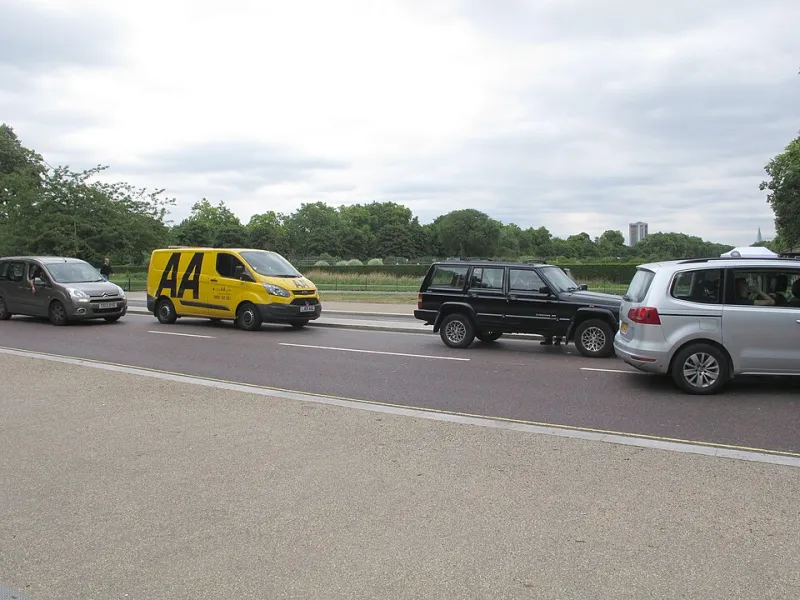
Photo: David Hawgood , CC BY-SA 2.0, via Wikimedia Commons
There's a version of touring that lives in the imagination—open highways, packed venues, the electric feeling of a crowd that knows every word. And then there's the version that actually happens, which includes a lot of sitting in a parking lot at 11 PM trying to figure out which of you knows anything useful about a serpentine belt.
Every band that's done serious time on the road has a disaster story. Usually more than one. The van breaks down in a town where the nearest mechanic is 40 miles away. The venue you drove nine hours to play got shut down by the city last month and nobody updated the booking. Your merch gets soaked in a flash flood because the trailer seal gave out somewhere around Memphis.
These things happen. They happen to everyone. And the bands that keep going—the ones that build actual careers on the road—aren't the ones who avoided disaster. They're the ones who learned how to deal with it.
The Van: Your Most Expensive, Least Reliable Bandmate
If there's one universal truth in indie touring, it's this: the van will fail you. Maybe not this tour, maybe not the next one—but eventually, that vehicle is going to strand you somewhere deeply inconvenient.
A band out of Chicago described breaking down outside of Amarillo, Texas, on a 102-degree afternoon with a show in Albuquerque that night. Their transmission gave out with no warning, no prior symptoms, just a grinding noise and then nothing. They ended up renting a U-Haul, transferring every piece of gear they owned into the back of it, and driving four hours to make the gig with 45 minutes to spare. They played the show. The crowd had no idea.
The lesson they took away—and the one most experienced touring bands will tell you—is that roadside assistance isn't optional. AAA's premier membership covers towing up to 200 miles, which has saved more than a few bands from catastrophic repair bills. Keeping a basic tool kit in the van, knowing how to change a tire, and having the number of a 24-hour mechanic service in your phone before you leave home are the kinds of unsexy preparations that separate bands who finish tours from bands who don't.
The Venue That Wasn't There
Booking scams are more common than most people outside the indie circuit realize. The setup is almost always the same: you get an offer from a venue or promoter you haven't worked with before, you confirm the date, you drive however many hours, and you arrive to find a space that either doesn't exist, isn't a music venue, or has no idea who you are.
A folk-punk duo from the Pacific Northwest shared a story about driving from Portland to a show in Boise, only to discover that the "venue" was actually a bar whose owner had never heard of them—the booking had been made by a third-party promoter who had apparently collected deposits from three different bands for the same night and then disappeared entirely.
The way they handled it: they called every bar, coffee shop, and DIY space in Boise they could find on their phone. Within two hours, they had a last-minute show set up at a brewery that was willing to host them for the door. They made $80. But they played, and they didn't eat the entire trip for nothing.
The practical takeaways here are worth drilling into your pre-tour checklist. Always confirm shows directly with the physical venue—not just through the booker—at least a week out and again 48 hours before. Get a contract or written confirmation for every show. And if a promoter asks for money upfront for anything, that's a red flag worth taking seriously.
Gear Disasters and the Art of Improvisation
Lost gear. Stolen gear. Gear that survived the drive but somehow didn't survive load-in. Every touring musician has a version of this story.
One guitarist described having her pedalboard stolen from an unlocked trailer in Nashville—the whole thing, gone overnight, representing about $1,200 worth of equipment she'd spent two years building. She had a show the next afternoon. She borrowed a single overdrive pedal from the opener, played the whole set with that and her amp's natural gain, and got one of the best reviews of her career from a local music blogger who described the set as "rawly powerful."
There's something in that story worth holding onto. The gear matters, but it matters less than you think. The show can happen without the perfect setup. Audiences at indie shows, especially, tend to respond to authenticity over technical perfection. A band that clearly wants to be there, playing hard with whatever they've got, will win a crowd over nine times out of ten.
That said: insure your gear. Instruments and equipment can be covered under renters insurance policies or dedicated music gear insurance through companies like Heritage Insurance or Clarion. It's not expensive, and it's one of those things you will absolutely be grateful for the one time you actually need it.
The Mental Side Nobody Talks About
Disasters on the road aren't just logistical problems. They're psychological ones. There's a specific kind of demoralization that sets in when things go wrong far from home—when you're tired, underfed, and questioning every decision that led you to this particular parking lot in the middle of nowhere.
The bands that navigate it best tend to have a few things in common. They talk about it—openly, in the moment, without letting resentment build. They have a designated person who stays calm when everything's on fire. And they maintain some kind of ritual that reminds them why they're doing this: a pre-show huddle, a playlist they always play during long drives, something that reconnects the disaster to the larger story.
Touring is hard. It's supposed to be hard. The road has a way of stripping everything down to what's real—the music, the people you're traveling with, the stubborn decision to keep going anyway.
And honestly? The disaster stories are the ones you'll be telling for the rest of your life.