When the Crowd Becomes the Spoiler: How Fan Posts Are Reshaping the Live Music Game
Photo: Unknown authorUnknown author or not provided, Public domain, via Wikimedia Commons
It used to be simple. A band played a show, the crowd went home buzzing, and word spread slowly — through phone calls, message boards, maybe a blurry photo on a fan forum. By the time the next city on the tour heard anything, the mystery was still mostly intact.
That world is gone.
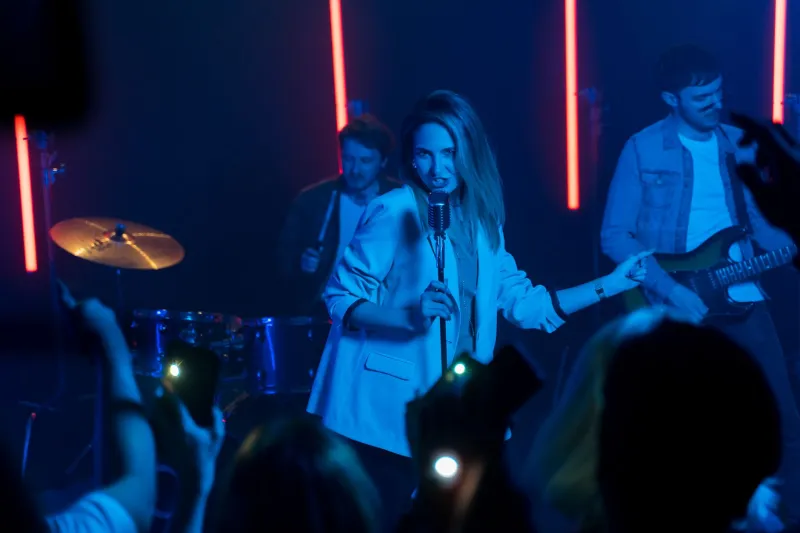
Now, before a headliner even hits the second song, someone in the audience has already posted a photo of the setlist taped to the stage floor. By the time the encore rolls around, TikTok has three shaky vertical videos of whatever surprise cover just happened. The moment exists twice simultaneously — once in the room, once on every screen in the country.
For indie bands especially, that shift is complicated. Really complicated.
The Double-Edged Phone in the Crowd
Here's the honest truth: fan-generated content is some of the most powerful marketing any band can get. It's unfiltered, it's emotional, and it costs exactly zero dollars. When a clip of a crowd losing their minds during a bridge goes viral, no PR budget in the world could replicate that authenticity. Algorithms love it. New listeners trust it. It's the kind of thing that turns a curious Spotify listener into someone who drives four hours to catch a show.
But there's a flip side that doesn't get talked about enough.
When your tour opener in Columbus accidentally reveals the surprise guest you'd planned to announce in Chicago, you don't get that moment back. When the setlist photo shows up on Reddit before the doors even open in Nashville, the gasp you'd choreographed for song seven disappears into the timeline. For major label acts with massive promo machines, that's annoying. For an indie band where every carefully constructed moment carries real weight, it can genuinely sting.
"We had this whole rollout planned around debuting a new song live before the recording dropped," one independent artist told us, speaking on background because they didn't want to call out their own fanbase publicly. "Someone posted a full phone recording after the first show. Not maliciously — they were just excited. But we'd planned that reveal for three weeks, and it just... evaporated."
Control Is Already an Illusion — So Now What?
The artists who seem to be handling this best are the ones who've made peace with a fundamental reality: you never really owned the live experience in the first place. The moment you step on stage, the show belongs to everyone in the room. Trying to legislate that away — phone bans, aggressive security, passive-aggressive stage banter — tends to build resentment faster than it preserves mystery.
What's working instead is something more like strategic surrender.
Some bands are leaning into the leak culture by engineering the moments they want to go viral. If you know a setlist photo is going to hit Twitter before showtime, make the setlist itself interesting. Tease an unannounced song title. Write something cryptic in the margins. Let the leak do the work for you rather than fighting it.
Others are playing with timing — debuting something genuinely new at the last show of a run rather than the first, so the word-of-mouth builds momentum toward a release rather than spoiling a long stretch of dates. It's not a perfect solution, but it's smarter than hoping fans develop sudden restraint.
The Surprise Cover Problem
Nothing spreads faster than an unexpected cover. Drop a beloved deep cut from a '90s alt-rock record in the middle of your set, and that clip will outlive the tour by years. It's a gift — genuinely. But it also means that if you're rotating covers night to night, trying to keep each city's experience distinct, the internet will collapse that variation into a single highlight reel before the tour bus crosses the state line.
Several indie artists have started treating covers less like surprises and more like intentional content drops. Instead of hoping the clip stays quiet, they'll post their own high-quality version the same night — better audio, better framing, their own caption. They're not stopping the spread; they're just making sure they're part of it.
"You can either watch someone else tell your story or tell it yourself," said one touring musician we spoke with who's been on the road for the better part of three years. "The fans are going to post regardless. I'd rather my version be the one that gets shared."
What This Means for Indie Bands Specifically
Major label acts have entire teams managing the content fallout from a single show. Indie artists are usually doing it themselves, from the back of a van, on four hours of sleep, with a phone that's at 12% battery. The asymmetry matters.
For smaller acts, every announcement carries more relative weight. A surprise song debut or a special guest appearance isn't just a cool moment — it might be the thing that drives a news cycle for a week, generates press, and bumps streaming numbers. Losing that moment to an accidental fan post isn't just frustrating; it can have real downstream consequences for an artist operating without a safety net.
At the same time, indie bands often have something major acts don't: a genuinely close relationship with their audience. Fans of independent artists tend to be more invested, more communicative, and — when you actually talk to them about it — more willing to hold space for a band's intentions if they understand what's at stake.
That's not a small thing. It means there's actually a conversation to be had. Not a lecture, not a phone ban policy, but a real back-and-forth about what makes the live experience worth protecting.
No Clean Answers, Just Better Questions
There's no version of this where indie bands get to have it both ways — the viral organic reach and total control over the narrative. The phones are out, the posts are happening, and the audience has been its own media outlet for over a decade now. That's not changing.
But the bands navigating it best aren't the ones trying to stuff that energy back in the bottle. They're the ones asking smarter questions. What do we want to leak? What moments are we building specifically because we know they'll travel? Where do we actually need to protect something, and is it worth the friction to try?
The setlist on the floor of the stage isn't just a running order anymore. For better or worse, it's a press release. Might as well write it like one.