Rewriting the Scoreboard: What Success Actually Looks Like for Independent Artists Today
Somewhere along the way, the music industry convinced a generation of artists that success had a very specific shape. It looked like a major label deal. It looked like a Billboard chart position. It looked like a Rolling Stone feature, a late-night TV performance, a manager with a corner office in New York. Anything short of that wasn't really making it — it was just waiting to make it.
A lot of indie musicians spent years chasing that shape. Some are still chasing it. But a quieter, more honest conversation has been happening in green rooms, tour vans, and Discord servers across the US — and the artists leading it are asking a different question entirely: making it by whose definition?
The Old Scoreboard Is Broken
Here's the thing about the traditional metrics of music success: they were designed by an industry that needed artists to be dependent on it. The label deal mattered because the label controlled distribution. The chart position mattered because radio airplay was the only real path to an audience. The manager and the publicist and the A&R rep mattered because without them, you had no infrastructure.
That infrastructure still exists. But it's not the only infrastructure anymore. And a lot of artists — especially those who've been grinding in the indie space for the last decade — have figured out that the old scoreboard was never really measuring the things that matter to them anyway.
"I spent three years trying to get a label to sign me," says Marcus Teel, a singer-songwriter based out of Austin who's been releasing music independently since 2019. "I thought that was the finish line. And then I started actually running the numbers on what those deals looked like, what I'd have to give up, how much creative control I'd lose — and I realized the finish line I was running toward wasn't even somewhere I wanted to end up."
Marcus now earns a sustainable living from a combination of direct sales, Patreon, sync licensing, and touring. He doesn't have a label. He doesn't have a publicist. He has a spreadsheet, a loyal fanbase of a few thousand people, and, by his own account, the most creatively fulfilled years of his career.
Sustainable Over Spectacular
One of the most significant shifts in how independent artists are defining success is the move away from spectacular moments toward sustainable systems. The viral song, the late-night slot, the festival headline — those are still exciting. Nobody's pretending otherwise. But more and more indie musicians are talking openly about building careers that can survive without the spectacular.
For Misha Band, this philosophy is baked into the way we approach everything — from how we release music to how we engage with the people who show up for us. Raw sound and real stories don't chase trends. They build something that lasts. The fans who find you through an honest piece of work and stick around for the next one and the one after that — that's a career. That's what sustainable looks like.
Jamila Cross, who fronts an indie rock outfit out of Philadelphia called The Hollow Months, put it bluntly in a recent conversation: "I don't want to be famous. I want to still be doing this in twenty years. Those are two completely different goals, and for a long time I confused them."
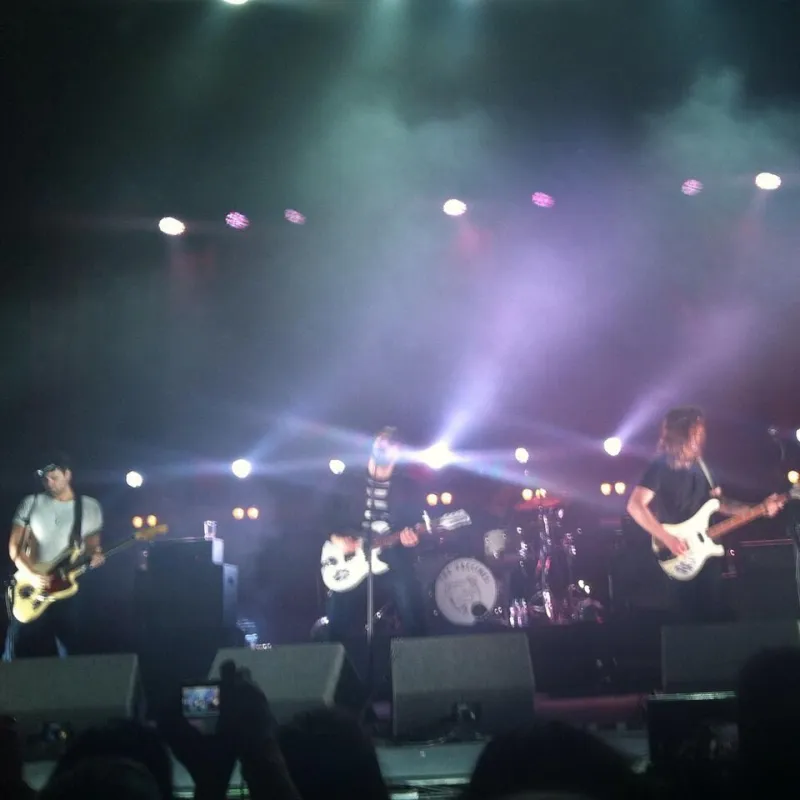
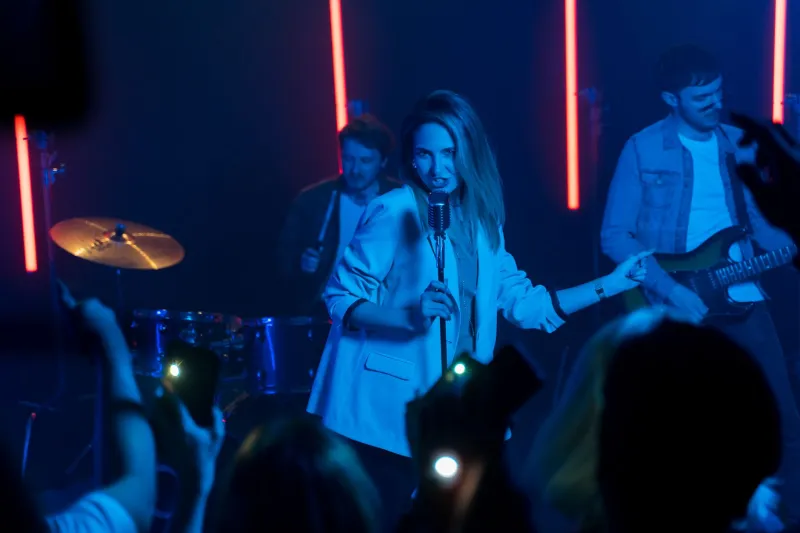
The Hollow Months played 87 shows last year, none of them in arenas. They sold out small clubs in eleven cities, moved a significant amount of merch, and came home with money in the band account. No label, no manager, no publicist. Just a touring schedule they built themselves and a fanbase they've been cultivating through direct communication for five years.
Creative Control Isn't a Perk — It's the Point
Ask any independent artist who's turned down a label offer — or walked away from one — what they miss most about the deal they didn't take, and the answer is almost never "the creative freedom." Because that's usually what they kept.
Creative control is increasingly central to how indie musicians define success. The ability to put out a record that sounds exactly like what you heard in your head, without a committee of A&R executives weighing in on the chorus, is something artists who've experienced both sides of the industry talk about with a kind of fierce protectiveness.
"I had a development deal for about eight months," says Devin Park, a multi-instrumentalist and producer who records under his own name in Los Angeles. "They wanted to change the production on three songs, replace a guitar part with synths, and soften the lyrics on the lead single. None of it was malicious — they genuinely thought they were helping. But it wasn't my record anymore. When I walked away, I put out the original version independently and it's the thing my fans cite most when they talk about why they started following me."
Devin's story isn't unusual. It's practically a genre of its own at this point — the artist who chose the authentic version of their work over the polished, committee-approved one, and found that their audience rewarded them for it.
The Fan Relationship Metric
If the old scoreboard measured fame and units moved, the new one that indie artists are quietly building for themselves measures something harder to quantify but easier to feel: the quality of the relationship with their audience.
This shows up in a lot of ways. It's the artist who knows the names of the people in the front row at every show. It's the band whose Patreon members get handwritten notes with their merch orders. It's the musician who responds to DMs personally, not because a social media manager told them to, but because those conversations are genuinely meaningful to them.
For Misha Band, that direct line to the people who show up for us has always been the thing that makes the rest of it make sense. The tour dates, the records, the late nights in the van — all of it is in service of those moments of real connection. That's not a consolation prize for not being famous. That's the actual goal.
So What Does 'Making It' Look Like Now?
It looks different for every artist, which is kind of the whole point. For some, it's the ability to pay rent from music without a day job. For others, it's the freedom to make a weird record no label would touch and watch it find exactly the audience it was meant for. For some, it's playing 150 shows a year to rooms of 300 people who know every word.
What it almost never looks like, for the artists having this conversation honestly, is the old definition. Not because chart success or major label deals aren't real or valuable — they can be both — but because they were never the only valid version of the story.
The musicians rewriting the scoreboard aren't settling. They're just playing a different game. And a lot of them, by every measure that actually matters to them, are winning it.